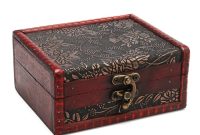
Transform your home’s ambiance with chair cover decorations. From selecting the perfect fabric to incorporating seasonal trends, this guide provides a comprehensive overview of enhancing your space. Explore diverse styles, materials, and decorative elements to elevate your dining area, living room, or any other space that needs a touch of elegance.
This in-depth exploration covers everything from choosing the right material and style for your chairs to creating unique and personalized designs. Learn about seasonal trends, budget-friendly options, and the best ways to maintain your beautiful chair covers. Plus, we’ll dive into custom designs, commercial applications, and sustainable choices.
Chair Cover Types
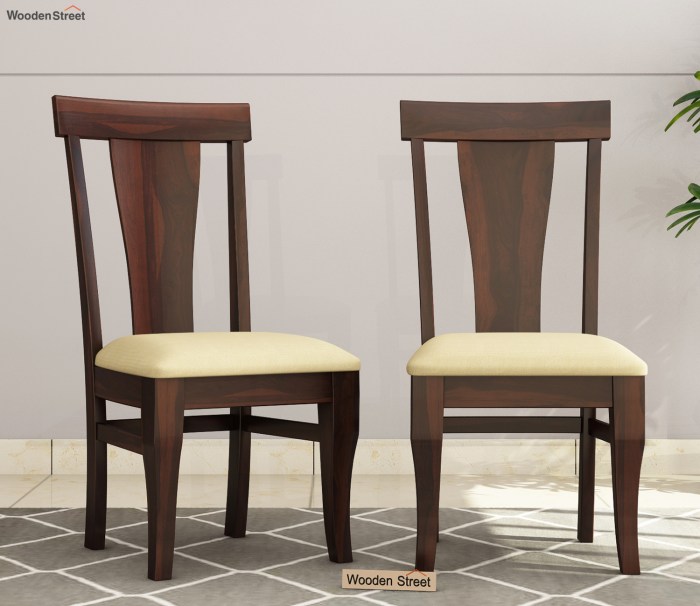
Transforming the aesthetic and longevity of your furniture, chair covers offer a practical and stylish solution. They provide a fresh look for any room while protecting the original upholstery from wear and tear. Choosing the right material and style is crucial for both visual appeal and long-term practicality.
Chair Cover Materials
Chair covers come in a diverse range of materials, each with unique properties affecting durability and care requirements. Understanding these differences is key to selecting the best cover for your needs.
| Material | Style | Durability | Care | Aesthetic Impact |
|---|---|---|---|---|
| Fabric (e.g., cotton, linen, velvet) | Slipcovers, tailored, pleated | Moderate to high, depending on the fabric type and construction. Linen, for example, might be less durable than velvet. | Generally machine washable or dry cleanable, following manufacturer instructions. | Versatile, offering a wide range of styles and colors to complement various interior design themes. Velvet, for instance, exudes richness and elegance. |
| Vinyl | Slipcovers, tailored | High. Vinyl is highly resistant to stains and moisture. | Usually wipe-clean, requiring minimal maintenance. | Modern and contemporary aesthetic. Vinyl often offers a sleek, polished look. |
| Leather | Tailored, custom-made | Very high. Leather is exceptionally durable and resistant to wear and tear. | Requires specific cleaning products and techniques to maintain its appearance. Professional cleaning is often recommended. | Luxurious and classic, lending an air of sophistication and timeless appeal. Leather chair covers are a long-term investment. |
Chair Cover Styles
The choice of chair cover style significantly impacts the overall aesthetic of a room. Consider the desired look and the specific needs of the chair when selecting a style.
- Slipcovers: These covers are easily removable and washable, making them a practical choice for high-traffic areas or families with children. Slipcovers are frequently used for protecting existing furniture, adding a new look, and refreshing a room’s aesthetic quickly. They come in a wide range of fabrics, colors, and patterns.
- Tailored Covers: These covers are custom-fit, offering a more tailored and polished look. They are often made from more durable materials and require more specialized care than slipcovers. Tailored covers are an excellent choice for preserving the original chair’s shape and form while adding a fresh layer of elegance.
- Pleated Covers: These covers feature folds or pleats, adding a touch of visual interest and a slightly more formal or traditional feel to the chair. The intricate design adds a layer of depth to the chair’s overall appearance. Pleated covers can elevate the aesthetic of any room, particularly in classic or formal settings.
Aesthetic Impact of Different Styles
Different chair cover styles evoke various aesthetic impressions, influencing the overall ambiance of a space.
- Slipcovers: Offer flexibility and adaptability, allowing for easy updates to a room’s décor without a major investment. They are frequently used for updating rooms without committing to a large-scale renovation.
- Tailored Covers: Create a more sophisticated and polished look, emphasizing the chair’s form and elegance. They lend a sense of refinement and are a good choice for rooms requiring a more substantial aesthetic upgrade.
- Pleated Covers: Introduce a touch of drama and formality to the space. They are a good choice for rooms where a more traditional or elegant aesthetic is desired.
Decoration Ideas for Chair Covers
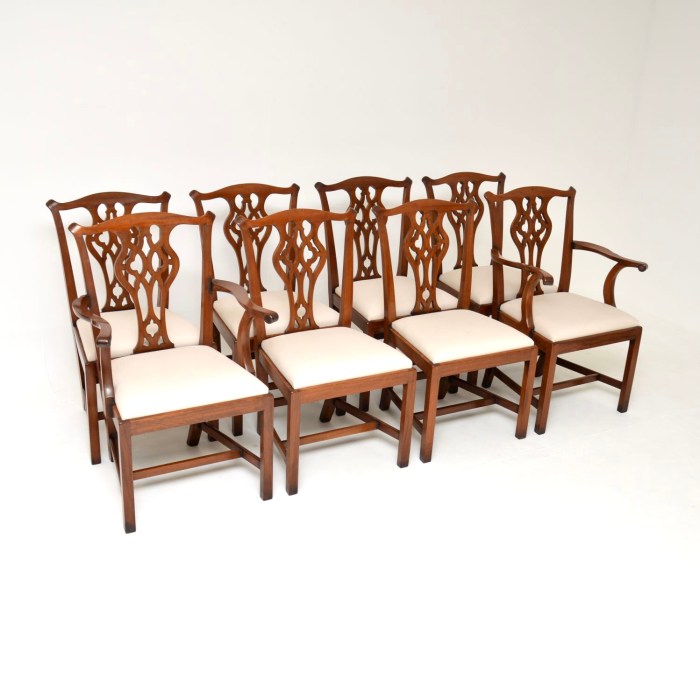
Transforming ordinary seating arrangements into captivating focal points requires strategic choices in chair cover embellishments. A well-executed design elevates the aesthetic appeal of a space, whether it’s a formal dining room or a casual living area. The right decorative elements, thoughtfully combined, can significantly enhance the overall ambiance and create a truly personalized look.Decorative elements, ranging from intricate embroidery to simple appliqués, dramatically impact the final aesthetic.
The choice of materials and their application significantly affects the chair cover’s visual impact and overall appeal. Combining these elements in a cohesive manner is crucial to achieving a unique and memorable design. Consider the desired effect and the overall room decor when making selections.
Embellishment Techniques
Various techniques can elevate chair covers beyond basic functionality. Intricate embroidery, often featuring floral motifs or geometric patterns, adds a touch of artistry and sophistication. Appliqués, which involve attaching pre-cut fabric shapes to the chair cover, offer another avenue for customization and design. Ribbons and buttons, while seemingly simple, can be strategically placed to create captivating visual accents.
The careful placement and choice of colors for these elements play a significant role in the overall impact.
Combining Decorative Elements
Creating unique looks often involves combining different decorative elements. For instance, embroidery could frame an appliqué, or a delicate ribbon could accentuate a button placement. The key is to achieve a harmonious blend that enhances the chair cover’s visual interest without overwhelming the design. The interplay between different textures and patterns is crucial.
Color Palettes
Color coordination is essential for a polished look. Warm tones, such as golds and oranges, create a cozy and inviting atmosphere, perfect for a living room or a dining area. Cool tones, like blues and greens, offer a more serene and tranquil feel. A sophisticated palette of neutrals, such as creams and grays, works well in modern settings.
Consider the existing color scheme of the room when choosing a color palette for the chair covers. A well-considered color scheme can transform a space from ordinary to extraordinary.
Color Coordination Strategies
Color coordination involves more than just selecting complementary colors. Understanding the relationship between colors—whether analogous, complementary, or triadic—is crucial. Harmonious color combinations enhance the visual appeal of the chair covers and create a cohesive aesthetic throughout the space. Consider the overall theme of the room when choosing the color scheme.
Comparison of Decoration Techniques
| Technique | Description | Pros | Cons |
|---|---|---|---|
| Embroidery | Intricate stitching on the fabric | Highly customizable, adds a touch of artistry | Time-consuming, potentially expensive |
| Appliqué | Attaching pre-cut fabric pieces | Creates visual interest, easily adaptable | Requires careful planning and execution |
| Ribbons | Adding decorative ribbons | Simple to implement, adds a touch of elegance | Can appear overly simple if not placed strategically |
| Buttons | Adding buttons as decorative accents | Versatile, can add a touch of whimsy or sophistication | Requires careful selection to avoid overwhelming the design |
Seasonal Trends in Chair Cover Decorations
Chair covers, a versatile home décor element, are more than just a practical solution; they are a powerful tool for expressing seasonal style. Understanding seasonal trends allows homeowners to seamlessly integrate aesthetic shifts into their interior design, enhancing both the functionality and visual appeal of their spaces. By adapting to seasonal changes in fabric, color, and pattern, homeowners can create a dynamic and inviting atmosphere throughout the year.Seasonal trends in chair cover decorations are driven by a confluence of factors, including evolving fashion aesthetics, cultural influences, and even the natural world.
The shift in the weather, from crisp fall air to the warmth of summer, directly impacts the design choices that resonate with consumers. Understanding these trends allows homeowners to create a harmonious connection between their décor and the changing seasons.
Fall Chair Cover Trends
Fall’s rich palette, characterized by warm earth tones and deep hues, finds a natural expression in chair covers. Velvet, corduroy, and faux fur fabrics are popular choices, adding a touch of luxury and coziness to the home. Muted oranges, burnt siennas, deep reds, and rich browns are prominent colors, reflecting the changing foliage. Floral patterns, often featuring autumnal leaves and berries, are another significant design element, adding a touch of nature’s splendor.
The rustic charm of natural fibers, such as linen or jute, is also increasingly popular, creating a comforting and earthy ambiance. This season’s trend favors a blend of textures and colors that evoke a sense of warmth and comfort.
Spring Chair Cover Trends
Spring breathes new life into home décor, and chair covers reflect this vibrant energy. Light and airy fabrics like linen, cotton, and silk are prominent choices. Pastel shades of pink, lavender, mint green, and light yellow, inspired by nature’s rebirth, are key color choices. Floral patterns, often featuring delicate blooms and pastel tones, are frequently used to create a sense of spring freshness.
Geometric patterns, incorporating stripes or checks in soft colors, are also gaining popularity. This season’s design aesthetic leans towards a light and airy feel that embodies the spirit of renewal and growth.
Summer Chair Cover Trends
Summer chair covers prioritize comfort and a breezy aesthetic. Light, breathable fabrics like cotton, linen, and sheer fabrics are ideal choices. Bright, vibrant colors like coral, turquoise, and sunny yellow are often incorporated, reflecting the season’s energy and optimism. Geometric patterns, stripes, and bold graphics, often featuring beachy or tropical motifs, are also popular choices. This season prioritizes a fresh, airy atmosphere, ideal for outdoor living and entertaining.
Winter Chair Cover Trends
Winter chair covers emphasize warmth and coziness. Heavier fabrics like velvet, faux fur, and wool are prominent choices. Deep jewel tones like emerald green, sapphire blue, and burgundy are popular colors, reflecting the season’s rich and luxurious mood. Intricate patterns like snowflakes, icicles, or winter landscapes are frequently featured, adding a touch of winter magic. The focus is on creating a warm and inviting atmosphere that contrasts with the colder weather.
Seasonal Transitions in Chair Cover Decor
Transitioning from one season to the next in chair cover decor involves subtle shifts in color palettes and textures. For example, transitioning from spring to summer involves moving from pastels to brighter colors, and from lighter fabrics to more breathable options. Fall transitions involve the introduction of warmer tones and heavier fabrics, while winter transitions focus on richer colors and luxurious textures.
This strategic use of seasonal transitions allows homeowners to create a dynamic and adaptable home environment.
Table: Seasonal Chair Cover Trends
| Season | Color Palette | Fabric Choices | Design Examples |
|---|---|---|---|
| Fall | Muted oranges, burnt siennas, deep reds, rich browns | Velvet, corduroy, faux fur, linen, jute | Floral patterns with autumnal leaves, natural fiber textures |
| Spring | Pastel shades (pink, lavender, mint green, light yellow) | Linen, cotton, silk | Floral patterns with delicate blooms, geometric patterns |
| Summer | Bright, vibrant colors (coral, turquoise, sunny yellow) | Cotton, linen, sheer fabrics | Geometric patterns, stripes, bold graphics |
| Winter | Deep jewel tones (emerald green, sapphire blue, burgundy) | Velvet, faux fur, wool | Intricate patterns (snowflakes, icicles), winter landscapes |
Matching with Room Styles
Chair covers are more than just a practical way to protect upholstery; they are a powerful design tool. Choosing the right chair cover can instantly elevate a room’s aesthetic, seamlessly integrating with the existing style or adding a vibrant accent. A well-chosen cover reflects the room’s personality and enhances the overall ambiance.Selecting chair covers that harmoniously blend with a room’s existing style is crucial for creating a cohesive and visually appealing space.
This involves understanding the nuances of different design aesthetics and how chair covers can be strategically used to either complement or contrast these elements. Proper consideration of lighting, furniture pieces, and existing décor is essential for achieving the desired effect.
Modern Room Styles
Modern interiors often prioritize clean lines, neutral palettes, and minimalist designs. Chair covers in this context should maintain a similar aesthetic. Look for sleek, tailored designs in fabrics like linen, cotton, or synthetic materials with a smooth texture. Colors should be sophisticated and understated, such as deep greys, charcoal, or muted blues. Geometric patterns or subtle stripes can add a touch of visual interest without detracting from the overall minimalist feel.
Consider using chair covers in a contrasting color to a main piece of furniture to create visual interest, but maintain the overall clean aesthetic.
Traditional Room Styles
Traditional rooms often feature rich textures, ornate patterns, and a sense of history. Chair covers can play a significant role in reinforcing this aesthetic. Choose fabrics like velvet, brocade, or damask with intricate patterns or rich embellishments. Deep jewel tones like emerald green, sapphire blue, or burgundy red are excellent choices to create a sense of opulence.
The use of traditional floral patterns or damask patterns can enhance the formal atmosphere. Consider the overall color palette and use chair covers to either match or contrast with other existing décor items.
Rustic Room Styles
Rustic rooms typically embrace natural materials, warm tones, and a sense of comfort. Chair covers in this setting should maintain a similar, cozy atmosphere. Look for fabrics like linen, cotton, or even faux leather with a natural finish. Warm colors like beige, cream, terracotta, or deep browns are appropriate choices. Consider using natural textures and patterns like subtle stripes, plaid, or simple checks.
Avoid overly elaborate patterns, instead emphasizing natural tones and materials. The use of natural wood furniture should be considered when selecting the chair covers’ color and texture.
Bohemian Room Styles
Bohemian interiors often embrace a blend of eclectic styles, vibrant colors, and a free-flowing atmosphere. Chair covers should reflect this spirit of freedom and individuality. Choose fabrics like cotton, linen, or velvet in a variety of colors and patterns. Consider incorporating rich textures like macrame or hand-stitched patterns. Use vibrant colors like turquoise, coral, or mustard yellow.
Mixing and matching patterns and colors is encouraged. Use chair covers to highlight the eclectic nature of the room and embrace the mix of textures and patterns.
Coordinating with Existing Décor
Consider the room’s lighting when selecting chair covers. Light-colored covers can brighten a room, while darker ones can add warmth. The existing furniture pieces in the room should also be considered. Match the chair covers to the existing furniture or use a complementary color scheme. Coordinate chair covers with existing wall art, rugs, and other décor elements for a cohesive look.
If the room has a focal point, such as a fireplace or artwork, use chair covers to either complement or accentuate that focal point.
Table: Room Styles & Chair Cover Ideas
| Room Style | Suggested Chair Cover Ideas | Color Scheme Suggestions |
|---|---|---|
| Modern | Sleek linen, tailored designs, subtle patterns | Deep greys, charcoal, muted blues, whites |
| Traditional | Velvet, brocade, damask, intricate patterns | Jewel tones (emerald green, sapphire blue, burgundy), golds |
| Rustic | Linen, cotton, faux leather, natural textures | Warm tones (beige, cream, terracotta, deep browns) |
| Bohemian | Cotton, linen, velvet, mix of patterns and colors | Vibrant colors (turquoise, coral, mustard yellow), rich textures |
Budget-Friendly Options
Transforming ordinary dining spaces into stylish havens doesn’t necessitate a substantial budget. Innovative DIY techniques and readily available materials can elevate chair covers, adding a personalized touch without breaking the bank. Clever choices in fabrics and embellishments can create a sophisticated aesthetic, mirroring high-end designs at a fraction of the cost.This section explores budget-conscious approaches to chair cover decoration, showcasing how resourceful creativity can yield remarkable results.
We’ll delve into cost-effective materials, DIY projects, and simple personalization techniques to furnish your home with style without straining your finances.
Affordable Materials for Chair Covers
Cost-effective materials often offer surprising versatility. Thrift stores, fabric remnants, and even repurposed materials provide excellent opportunities for creating attractive chair covers. Fabric scraps from previous projects, or even old bedsheets, can be transformed into stylish covers. Consider using inexpensive materials like burlap, linen, or cotton for a rustic or minimalist look. Combining these materials with affordable embellishments like ribbon, lace, or buttons can elevate the design significantly.
DIY Chair Cover Projects
A variety of DIY chair cover projects can be executed with minimal effort and expense. A simple slipcover can be fashioned from a large piece of fabric, secured with ties or elastic. Using inexpensive fabric paints or stencils can add personalized touches, allowing you to incorporate patterns and colors that reflect your style. For a more intricate design, consider using fusible interfacing to add structure and support to the fabric.
This can transform a simple slipcover into a more substantial and visually appealing chair cover.
Simple Personalization Techniques
Personalization doesn’t necessitate costly embellishments. Basic techniques like adding appliqués, embroidery, or hand-painted designs can significantly elevate a chair cover’s appeal. Using affordable materials like fabric scraps, buttons, or beads can transform a simple cover into a unique statement piece. These methods not only add a personal touch but also contribute to the overall aesthetic of the dining space.
Table of Budget-Friendly Materials and Decoration Ideas
| Material | Decoration Idea | Cost (Estimated) |
|---|---|---|
| Fabric scraps (cotton, linen, burlap) | Simple slipcover, patchwork design | Low |
| Old bedsheets | Slipcover with simple hems | Very Low |
| Thrift store fabrics | Slipcover with embroidery or appliqués | Moderate |
| Fabric paint | Custom painted patterns | Low |
| Buttons, ribbons, lace | Embellishments to plain covers | Low |
Maintenance and Care
Maintaining the pristine appearance of chair covers requires a proactive approach, extending their lifespan and preserving the investment. Proper cleaning and preventative measures are crucial to ensure chair covers retain their aesthetic appeal and avoid premature wear. This section delves into the specifics of cleaning, spot removal, and damage prevention for various materials.Proper cleaning and care for chair covers vary significantly depending on the fabric.
Ignoring these differences can lead to irreversible damage or discoloration. A tailored approach is essential for maintaining the integrity and beauty of the covers.
Cleaning and Care for Different Materials
Different chair cover materials necessitate distinct cleaning methods. A universal approach can damage or degrade the fabric, resulting in a compromised aesthetic. Carefully considering the material composition ensures the longevity and attractiveness of the chair covers.
- Polyester: Polyester chair covers are generally durable and easy to clean. A mild detergent solution and a soft-bristled brush can effectively remove dirt and stains. Avoid harsh chemicals or abrasive scrubbing, as this can damage the fabric. A gentle hand wash is recommended for most situations. Air drying is preferred to prevent wrinkles or distortion.
- Cotton: Cotton chair covers are susceptible to shrinking or warping if exposed to excessive heat. Hand washing with a mild detergent in cool water is ideal. Avoid machine drying, as this can lead to shrinkage. Line drying is recommended for best results. Spot cleaning with a damp cloth can address minor stains quickly.
- Velvet/Velour: Velvet or velour chair covers, while luxurious, require special care. Spot cleaning is crucial, using a damp cloth and a mild detergent solution. Avoid harsh chemicals or excessive water, as this can damage the delicate fibers and lead to the material shedding or becoming discolored. Professional dry cleaning is often the best option for deep cleaning.
- Linen: Linen chair covers, renowned for their natural beauty, are prone to wrinkles. Gentle hand washing with cool water and a mild detergent is recommended. Avoid harsh chemicals and machine drying, as this can damage the fabric and reduce its lifespan. Line drying or air drying is ideal for maintaining the natural texture of linen.
- Leather: Leather chair covers, offering a classic and durable look, require specific care. Avoid harsh chemicals and abrasive cleaning agents. Use a leather cleaner specifically designed for the type of leather to maintain its luster and protect it from damage. Spot clean with a damp cloth, then dry immediately with a soft, clean cloth. A leather conditioner can help maintain the leather’s flexibility and resilience.
Preventative Measures for Long-Lasting Aesthetics
Taking preventative measures significantly extends the life and beauty of chair covers. Proactive steps can minimize the need for extensive cleaning and protect the investment.
- Regular Dusting: Regular dusting prevents the accumulation of dust and debris, which can lead to discoloration and damage over time. A soft brush or cloth can effectively remove dust without harming the fabric.
- Protective Coatings: Applying a protective coating to chair covers can help repel stains and spills, providing an extra layer of defense against everyday wear and tear. This will prolong the life of the cover.
- Proper Storage: Storing chair covers properly is crucial to prevent wrinkles and maintain their shape. Folding or rolling the covers carefully on a flat surface can prevent damage.
- Protective Barriers: Using placemats or tablecloths can protect chair covers from spills and food stains. This is especially important for covers in high-traffic areas.
Spot Cleaning and Stain Removal
Prompt action is key to effectively removing stains from chair covers. Addressing spills and marks immediately prevents them from setting and becoming more difficult to remove.
- Blot, Don’t Rub: Blot spills immediately with a clean, absorbent cloth. Rubbing can spread the stain and damage the fabric. Use a gentle blotting motion to absorb the liquid.
- Specific Stain Removers: For specific stains, use appropriate stain removers designed for different materials. Always test any cleaning solution on an inconspicuous area first to avoid discoloration or damage.
- Professional Help: For stubborn or complex stains, professional cleaning services can offer specialized expertise and prevent further damage to the chair covers.
Avoiding Damage During Cleaning
Carefully following proper cleaning procedures is essential to prevent damage to chair covers. Mistakes can result in irreversible damage or diminish the chair cover’s aesthetic appeal.
- Water Temperature: Use appropriate water temperatures for different materials. Hot water can damage delicate fabrics, causing shrinkage or discoloration.
- Cleaning Agents: Use only recommended cleaning agents for specific materials. Harsh chemicals or abrasive cleaners can damage the fibers, diminishing the longevity and aesthetic appeal of the covers.
- Avoid Excessive Moisture: Avoid saturating the chair covers with excessive water or cleaning solutions. This can lead to warping, shrinkage, or damage.
Chair Cover Material Care Guide
| Material | Cleaning Method | Water Temperature | Drying Method | Additional Notes |
|---|---|---|---|---|
| Polyester | Gentle hand wash or machine wash (cold water) | Cold | Air dry | Avoid harsh chemicals. |
| Cotton | Gentle hand wash | Cold | Line dry | Avoid machine drying. |
| Velvet/Velour | Spot clean | Cold | Air dry | Avoid harsh chemicals and excessive water. |
| Linen | Gentle hand wash | Cold | Line dry or air dry | Avoid machine drying. |
| Leather | Spot clean with leather cleaner | Avoid soaking | Air dry | Avoid harsh chemicals. |
Chair Cover and Furniture Combinations
Transforming a room’s aesthetic often hinges on the interplay between furniture and its coverings. Selecting chair covers that harmonize with existing furniture styles elevates the overall design and creates a cohesive, polished look. The right combination ensures that each piece complements the other, rather than clashing or detracting from the intended ambiance.Careful consideration of style, scale, and proportion is crucial.
A poorly chosen chair cover can disrupt the balance of a room, while a well-matched one enhances the visual appeal and elevates the entire space. This section delves into the nuances of selecting chair covers that complement various furniture styles, chair types, and overall room designs.
Matching Furniture Styles with Chair Cover Designs
Choosing chair covers that align with the existing furniture style is paramount for achieving a unified aesthetic. Contemporary furniture, characterized by clean lines and minimalist designs, often benefits from modern, geometric, or subtly patterned chair covers. Conversely, traditional or vintage furniture can be beautifully complemented by floral, damask, or textured chair covers that reflect the historical period. Mixing styles should be approached cautiously; a cohesive look is paramount.
Avoid jarring contrasts and aim for complementary elements that highlight the room’s unique character.
Chair Cover Styles for Different Chair Types
Different chair types demand specific chair cover treatments. Dining chairs, for example, often benefit from sturdy, durable covers that can withstand frequent use and potential spills. Armchairs, on the other hand, lend themselves well to more decorative and comfortable covers, emphasizing relaxation and style. Similarly, accent chairs might benefit from unique designs that make a bold statement, while occasional chairs could have interchangeable covers that can shift the room’s look with the seasons.
Selecting the right chair cover style for the intended function and the chair’s characteristics ensures longevity and visual harmony.
Examples of Cohesive Furniture Pairings
A dining room featuring a dark wood, traditional dining table paired with plush, velvet, or patterned chair covers in a coordinating color scheme can exude a warm and inviting atmosphere. Conversely, a modern, minimalist living room with a glass coffee table and sleek, chrome accents can be complemented by geometric-patterned or solid-colored chair covers that emphasize the space’s contemporary character.
The key is to maintain a visual balance between the furniture and the covers, emphasizing either a traditional or modern feel.
Proportion and Scale in Chair Cover Selection
Proportion and scale are critical when choosing chair covers. A small chair should not be adorned with a large-scale pattern, lest it overwhelm the piece. Conversely, a large, ornate chair can benefit from a cover with a bold pattern or texture that complements its size and presence. The overall proportion of the chair in the room, in relation to other furniture pieces, should be a guiding principle in selecting chair covers.
This prevents an imbalance and emphasizes a harmonious aesthetic.
Furniture Styles and Appropriate Chair Cover Suggestions
| Furniture Style | Appropriate Chair Cover Suggestions |
|---|---|
| Modern | Solid colors, geometric patterns, sleek designs, sometimes with metallic accents. |
| Traditional | Floral patterns, damask, textured fabrics, rich colors, sometimes with decorative trims. |
| Mid-Century Modern | Bold colors, patterns with a subtle retro vibe, sometimes with a hint of organic shapes, and sometimes with natural fibers. |
| Rustic | Natural fabrics, plaids, checked patterns, sometimes with a textured or distressed appearance. |
| Bohemian | Vibrant colors, ethnic prints, natural fibers, flowing fabrics, sometimes with intricate embroidery or macrame details. |
Custom Chair Covers
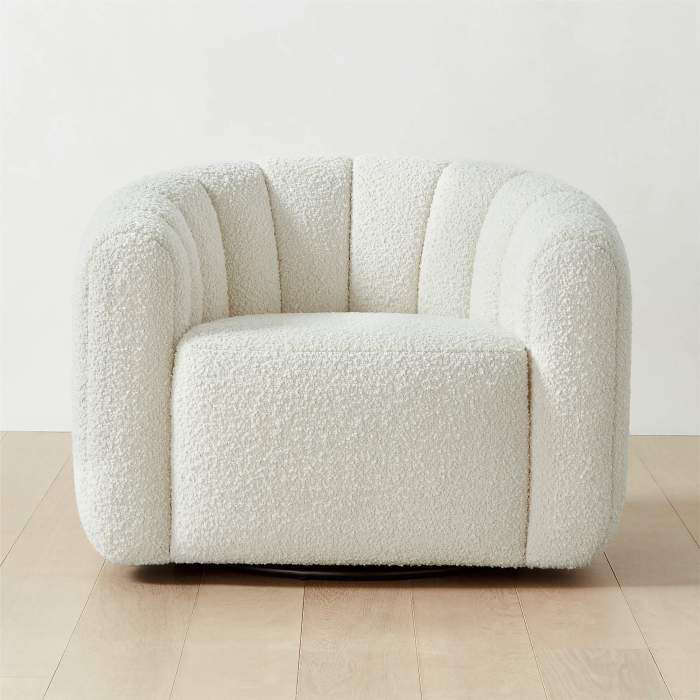
Beyond pre-made options, custom chair covers offer a unique avenue for expressing personal style and tailoring décor to a space’s specific aesthetic. They provide a powerful means to transform dining areas, living rooms, or any other space with a touch of individuality. These bespoke covers allow for a high degree of customization, enabling homeowners to seamlessly integrate their personality into their surroundings.Custom chair covers transcend the limitations of mass-produced items.
They permit the expression of specific tastes, preferences, and visions, ensuring a high degree of fit and elegance. This approach allows for a perfect marriage of form and function, creating an atmosphere that is both unique and inviting.
Creating Custom Chair Covers
The process of creating custom chair covers involves a collaborative approach between the client and the artisan. Detailed measurements of the chairs are crucial to ensure a precise fit. This ensures the covers will be both aesthetically pleasing and functional. The choice of fabric, color, pattern, and embellishments directly reflects the client’s style and desired ambiance. This meticulous process results in a tailored product that seamlessly integrates into the existing décor.
Customized Designs
Numerous design possibilities exist for custom chair covers. Geometric patterns, floral motifs, or abstract designs can be incorporated to reflect a particular theme or personality. Consider a sophisticated dining room featuring dark-colored velvet covers with intricate embroidery or a playful living room with bright, patterned linen covers. These designs offer a unique expression of the client’s personal style, creating a distinctive and memorable aesthetic.
Adding Personal Touches
Personal touches can elevate custom chair covers from ordinary to extraordinary. Embroidery, appliqués, or unique fabric textures can add a personalized touch. Consider incorporating family crests, initials, or meaningful imagery. For instance, incorporating a client’s favorite colors or symbols into the design can transform a chair cover into a meaningful and cherished piece.
Fabric and Pattern Choices
The selection of fabrics and patterns is a crucial aspect of custom chair covers. High-quality fabrics, such as linen, velvet, or silk, offer both durability and aesthetic appeal. The patterns chosen should harmonize with the existing décor and the overall style of the room. This consideration ensures that the chair covers enhance, rather than clash with, the room’s ambiance.
For example, a rustic-style dining room might benefit from a linen cover with a woven pattern, while a modern living room might be enhanced by a sleek velvet cover with a geometric pattern.
Steps for Creating Custom Chair Covers
| Step | Description |
|---|---|
| 1 | Detailed measurements of the chair are taken. |
| 2 | Client selects desired fabric, color, pattern, and embellishments. |
| 3 | Fabric is cut and sewn according to the chair’s measurements. |
| 4 | Personal touches, such as embroidery or appliqués, are added. |
| 5 | Covers are fitted to the chairs, ensuring a perfect and comfortable fit. |
Commercial Applications
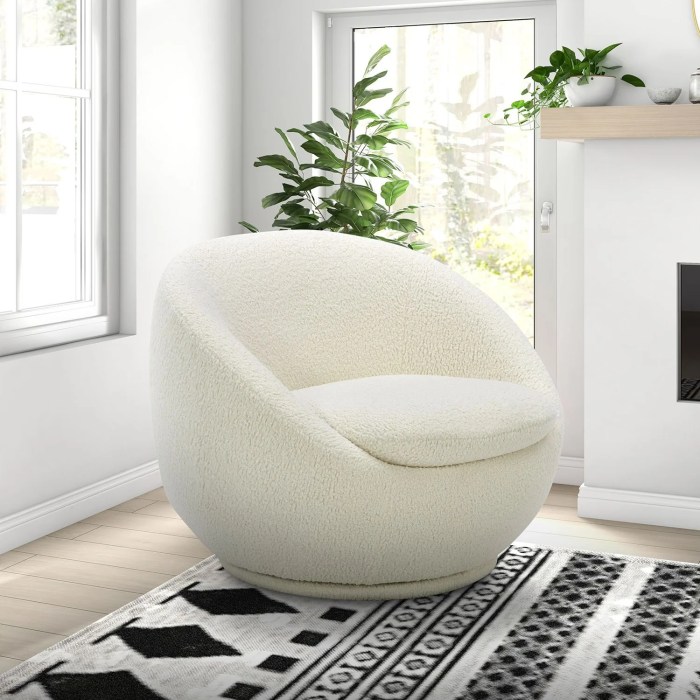
Chair covers, once relegated to the domestic sphere, are increasingly vital in commercial settings. From high-traffic restaurants to sophisticated office environments and bustling hotels, the strategic use of chair covers enhances aesthetics, protects investments, and bolsters brand identity. This evolution highlights the adaptability and utility of this seemingly simple textile item.Commercial applications necessitate a heightened focus on durability and practicality.
The constant turnover in these settings demands resilience against spills, scratches, and general wear and tear. This translates to a critical need for materials resistant to stains and capable of withstanding repeated cleaning cycles. Furthermore, the consistent exposure to various elements necessitates a careful selection of fabrics and finishes.
Durability and Stain Resistance in Commercial Settings
The consistent high volume of usage in commercial spaces necessitates chair covers that are exceptionally durable and stain-resistant. This is crucial for maintaining a professional and clean image, regardless of the activity. For example, a restaurant with frequent customer turnover requires covers that can withstand spills and repeated cleanings without damage or significant wear. Likewise, office spaces benefit from covers that can resist marks and scuffs, ensuring a professional ambiance.
Hotels, particularly those catering to high-volume guest traffic, prioritize chair covers that can withstand both the frequent cleaning and potential damage. Consequently, robust construction and stain-resistant materials are essential for long-term cost-effectiveness.
Branding and Marketing with Chair Covers
Chair covers can significantly contribute to brand building and marketing efforts. A visually appealing design can elevate a restaurant’s ambiance or reinforce a hotel’s upscale image. Similarly, in corporate settings, consistent chair cover designs can contribute to a unified brand aesthetic. The application of logos, colours, and patterns on chair covers allows businesses to project their branding effectively in a subtle but impactful manner.
A cohesive visual identity across the entire space, reinforced by matching chair covers, can leave a lasting impression on customers and clients.
Chair Cover Designs for Commercial Settings
The design considerations for chair covers in commercial settings are multifaceted. For restaurants, durable, easily cleanable materials in classic colors or those that align with the restaurant’s theme are suitable. In hotels, sophisticated designs in neutral tones or colors that align with the hotel’s brand are ideal. For offices, understated designs in neutral tones or corporate colours will complement the professional environment.
Specific design elements like stitching patterns, textures, or even subtle patterns can contribute to the desired aesthetic and create a unique identity.
Comparison of Chair Cover Needs: Residential vs. Commercial
| Feature | Residential | Commercial |
|---|---|---|
| Durability | Moderate | High |
| Stain Resistance | Moderate | Essential |
| Cleaning Frequency | Occasional | Frequent |
| Design Considerations | Personal preference | Brand consistency, aesthetics |
| Cost | Lower | Higher (for durability and volume) |
The table above highlights the critical distinctions between chair cover needs in residential and commercial settings. Commercial applications demand a superior level of durability, stain resistance, and ease of maintenance to withstand high-traffic environments and repeated use.
Environmental Considerations
Sustainable practices are increasingly important in all aspects of consumer goods, and chair covers are no exception. Consumers are demanding more environmentally conscious choices, placing pressure on manufacturers to adopt eco-friendly materials and production methods. This section explores the environmental footprint of chair cover materials and highlights sustainable alternatives.Choosing chair covers with an eye towards environmental impact requires careful consideration of the entire lifecycle of the product, from raw material sourcing to disposal.
The environmental impact of a chair cover extends beyond its use; the materials and manufacturing processes employed play a significant role in the overall ecological footprint.
Sustainable and Eco-Friendly Options
A growing awareness of environmental issues is driving the demand for sustainable materials in various industries, including home furnishings. Consumers are increasingly seeking chair covers made from recycled or renewable resources, minimizing their contribution to landfill waste and reducing reliance on virgin materials.
Importance of Recycled or Organic Materials
Using recycled or organic materials in chair covers reduces the need for virgin resources, minimizing the environmental impact of production. Recycled materials conserve natural resources and reduce energy consumption associated with extracting and processing new materials. Organic materials often come from renewable sources, reducing reliance on finite resources.
Eco-Friendly Chair Cover Designs
Several innovative designs prioritize sustainability. For instance, chair covers made from recycled plastic bottles, repurposed fabrics, or organic cotton offer environmentally conscious alternatives to traditional materials. Some companies incorporate recycled or reclaimed materials into their designs, resulting in unique and visually appealing chair covers. Moreover, designs emphasizing durability and longevity can minimize the need for frequent replacements, reducing waste.
Environmental Impact of Different Materials
The environmental impact of chair covers varies significantly depending on the materials used. Synthetic materials like polyester, derived from petroleum, often have a high carbon footprint due to their production processes and energy consumption. Natural materials like cotton and linen, while generally more sustainable than synthetics, can still have environmental impacts if not sourced responsibly. Factors like water usage during cultivation and pesticide use influence the overall sustainability of natural materials.
The production of certain materials like microfiber or faux leather may also involve the use of harmful chemicals.
Comparison of Eco-Friendly and Traditional Materials
| Material | Eco-Friendly Aspects | Traditional Aspects | Environmental Impact |
|---|---|---|---|
| Recycled Plastic Bottles | Reduces plastic waste, conserves resources | May have limited aesthetic options | Low environmental impact, high recyclability |
| Organic Cotton | Sustainable farming practices, renewable resource | Can be more expensive than conventional cotton | Moderate environmental impact if sourced responsibly |
| Recycled Polyester | Reduces reliance on virgin petroleum | May have a lower aesthetic appeal than new polyester | Lower environmental impact compared to virgin polyester |
| Linen | Renewable resource, biodegradable | Can be more expensive than synthetic materials | Moderate environmental impact if sourced responsibly |
| Hemp | Sustainable crop, fast-growing | May have specific aesthetic preferences | Low environmental impact, good water use efficiency |
| Bamboo | Fast-growing, renewable resource | May not be as durable as some other materials | Low environmental impact, sustainable material |
| Tencel | Renewable resource, biodegradable | Can be more expensive than conventional materials | Lower environmental impact than synthetic materials |
“Choosing sustainable materials and production methods is crucial for minimizing the environmental impact of chair covers and supporting a more responsible consumer market.”
Conclusion
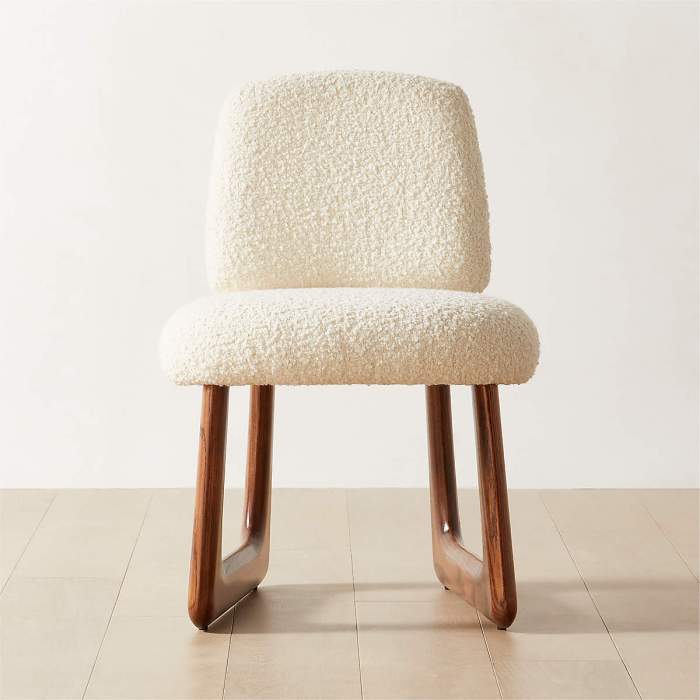
In conclusion, chair cover decorations offer a versatile and impactful way to personalize your home’s aesthetic. Whether you’re seeking a sophisticated update for your dining room or a seasonal refresh, this comprehensive guide empowers you to make informed choices and create a space that reflects your unique style. By considering materials, design elements, seasonal trends, and even commercial applications, you can elevate any room with the perfect chair cover.