
Spice organization is key to a well-functioning kitchen. Properly storing spices in drawer organizers not only keeps them fresh and readily accessible but also enhances the overall aesthetic appeal of the kitchen workspace. This guide delves into the diverse world of spice drawer organizers, exploring various types, materials, and organization strategies to help you achieve optimal spice storage solutions.
From choosing the right container material to optimizing drawer space, we’ll cover all the essential aspects of selecting and implementing effective spice drawer organization. This includes insights into maximizing space, minimizing spills, and maintaining the freshness of your spices for culinary excellence.
Introduction to Drawer Organizers for Spices
Spice drawer chaos is a common kitchen predicament. Cluttered spice racks, often overflowing and poorly organized, lead to wasted ingredients and lost time in locating the desired spice. Drawer organizers for spices offer a practical solution, enhancing both the functionality and aesthetic appeal of the kitchen. These organizers are more than just containers; they’re essential tools for efficient spice management.Proper spice storage directly impacts the quality and freshness of culinary ingredients.
Well-organized drawers ensure spices are stored correctly, minimizing exposure to moisture, light, and air, which can degrade their flavor and aroma over time. Drawer organizers are designed to optimize storage space, preventing spices from overcrowding and ensuring easy access to each item.
Types of Spice Drawer Organizers
Spice drawer organizers come in a diverse array of designs, each catering to different storage needs and aesthetic preferences. The most common types include containers, trays, and dividers. Containers provide individual compartments for each spice, allowing for precise storage and easy identification. Trays offer a more open layout, suitable for displaying spices in an organized yet visually appealing manner.
Dividers are used to create sections within the drawer, maximizing space and preventing spices from shifting or mixing.
Materials Used in Construction
The material used in the construction of spice drawer organizers significantly impacts their durability, aesthetic appeal, and cost. Plastic organizers are frequently chosen for their affordability and lightweight nature. Metal organizers, often crafted from stainless steel or aluminum, are known for their durability and resistance to damage. Wooden organizers offer a more natural and rustic aesthetic, adding a touch of warmth to the kitchen.
The choice of material should align with the overall design and budget of the kitchen.
Importance of Proper Spice Storage
Proper storage techniques are paramount for preserving the quality and flavor of spices. Spices should be stored in airtight containers to prevent moisture absorption, which can lead to clumping and spoilage. Keeping spices away from direct sunlight and heat sources is also crucial, as prolonged exposure can diminish their potency and aroma. Regular inspection and rotation of spices are recommended to ensure freshness and prevent the buildup of older, less flavorful ingredients.
Organization Strategies for Spice Drawers
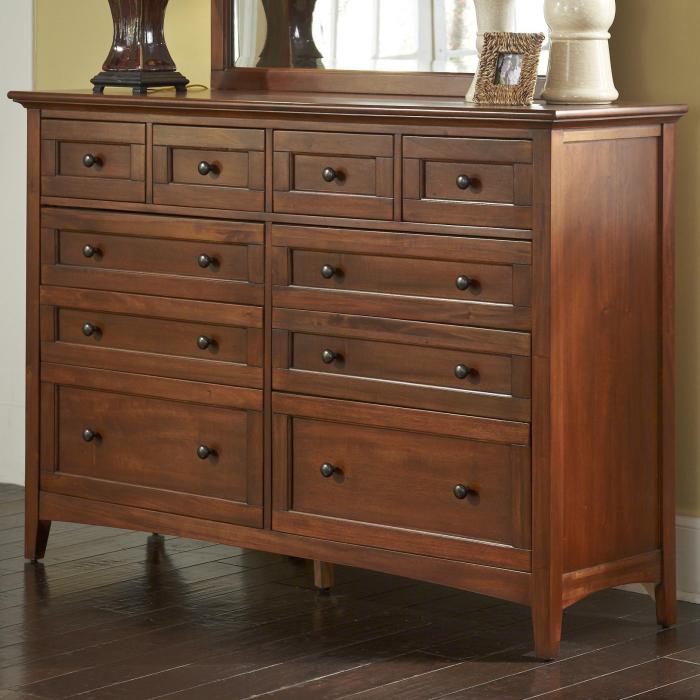
Spice drawers, often neglected hubs of culinary chaos, can be transformed into meticulously organized havens. Efficient organization significantly streamlines the cooking process, reducing wasted time searching for specific spices and minimizing the risk of accidental misidentification. Effective strategies leverage space optimization and clear labeling systems to ensure smooth daily operations in the kitchen.Proper organization of spices in a drawer goes beyond aesthetics; it significantly impacts the efficiency of meal preparation.
By implementing clear and consistent methods, cooks can confidently navigate their spice collections, ensuring they have the right ingredient at the right time. This optimized approach translates into less time spent hunting for specific spices and more time dedicated to the creative aspects of cooking.
Optimal Layout for Spice Organization
A well-structured spice drawer layout is crucial for quick access and easy identification. A table format provides a clear and organized representation of the system, enabling cooks to easily track their spice inventory.
| Spice Name | Quantity | Date Added | Notes |
|---|---|---|---|
| Chili Powder | 2 tbsp | 2023-10-26 | Used for chili recipes |
| Cumin | 1 tbsp | 2023-10-26 | Freshly ground |
| Paprika | 3 tbsp | 2023-10-27 | Smoked paprika |
| Garlic Powder | 1 tbsp | 2023-10-27 | For seasoning |
This table-based approach facilitates a comprehensive overview of the spice collection, allowing cooks to quickly locate specific spices, track their usage, and maintain accurate inventory records.
Spice Storage Methods
Various storage methods cater to different preferences and needs. Grouping by type, such as grouping all ground spices together, or by frequency of use, allows for efficient retrieval. Alternatively, organizing alphabetically by spice name ensures a simple, predictable system.
- Grouping by type:
- Grouping spices by their type (e.g., ground, whole, dried herbs) facilitates rapid identification and reduces the need for extensive searching.
- Grouping spices by common use (e.g., Italian seasoning blend, curry powder) provides a targeted approach to locating spices for specific dishes.
- Alphabetical order:
- This method provides a simple and straightforward system, ideal for cooks who prefer a predictable and easy-to-navigate structure. This approach reduces the need for extensive searching, enabling quick retrieval.
- Frequency of use:
- Frequently used spices are often placed in easily accessible locations to reduce search time. This approach enhances the efficiency of daily cooking operations.
Maximizing Space in Spice Drawers
Maximizing space within a spice drawer is a key aspect of efficient organization. Vertical dividers and stackable containers are effective solutions for optimizing the vertical space available.
- Vertical dividers:
- Dividers efficiently partition the drawer, providing dedicated compartments for different spice types, minimizing the risk of spices spilling and making the drawer look more organized.
- Stackable containers:
- These containers can be utilized to stack spices vertically, maximizing the available space in the drawer. This enhances the overall visual appeal and the ease of access to the spice collection.
Labeling Spice Containers
Clear and consistent labeling of spice containers is essential for easy identification and accurate use.
- Labeling containers:
- Using clear, legible labels helps identify spices instantly, preventing errors in recipes and minimizing wasted time searching for the correct spice.
- Consistent labeling ensures that the drawer remains organized, making the identification of spices intuitive and seamless.
Functionality and Features
Beyond aesthetics, the effectiveness of a spice drawer organizer hinges on its functionality and features. Choosing the right organizer can streamline your kitchen workflow, saving time and frustration. Key considerations include the material, design, and overall practicality. These elements determine how well the organizer accommodates your spices, maintains their freshness, and integrates seamlessly into your existing kitchen setup.A well-designed spice drawer organizer goes beyond simply storing spices; it enhances the overall organization and functionality of the spice drawer.
The specific features and design elements influence the ease of access, maintenance, and overall satisfaction with the product. This section will delve into essential features, exploring various styles and their implications for your spice storage needs.
Essential Features
A practical spice drawer organizer should possess certain features to ensure smooth operation and longevity. These features contribute to the efficiency and effectiveness of the spice storage system. Consider these key aspects when making your purchase.
- Clear Visibility: Transparent or translucent containers enable easy identification of spices without opening every container. This aspect is crucial for rapid retrieval and reduces guesswork, promoting efficiency in the kitchen. This is especially valuable for frequently used spices, allowing quick access and reducing time spent searching.
- Durability and Material Resistance: The organizer’s material should withstand daily use and potential spills or moisture. High-quality plastic, sturdy metal, or BPA-free materials are essential to prevent damage and maintain the integrity of the containers over time. Look for materials resistant to scratches, warping, and warping.
- Proper Size and Fit: Accurate measurement of the spice drawer is paramount. An organizer that perfectly fits the available space ensures efficient utilization of the drawer’s volume. Oversized or undersized organizers can impede the smooth movement of spices and impact the overall organization.
- Easy Access and Retrieval: The arrangement and design of the containers should facilitate quick and easy access to all spices. This ensures minimal effort when reaching for a particular spice. Consider the height and depth of the containers in relation to the spice drawer dimensions.
- Spill-Proof Design: Preventing spills is critical to maintaining a clean and organized kitchen. Consider organizers with tightly sealed containers or those that feature raised edges to prevent spills. This aspect is especially important for spices prone to moisture or spills.
Organizer Styles
The choice of organizer style significantly impacts its usability and the overall organization of your spice drawer. Different styles offer varying levels of visibility and accessibility.
- Clear Containers: Clear containers maximize visibility, allowing you to quickly locate spices without opening every container. This feature is highly efficient for frequently used spices. However, they might not be ideal for spices that are susceptible to light degradation. The visibility is a major advantage.
- Opaque Containers: Opaque containers provide a degree of privacy for spices that might be affected by light. This feature is crucial for maintaining the freshness of certain spices, while potentially obscuring identification of the spice. While hiding light-sensitive spices, it may hinder the quick identification of certain spices.
Durability and Resistance to Moisture
The durability and resistance to moisture are crucial factors when choosing a spice drawer organizer. These features ensure the longevity of the organizer and the preservation of your spices. Spices can absorb moisture, leading to spoilage.
- Moisture-Resistant Materials: Select organizers made from materials resistant to moisture absorption. This prevents the potential for mold growth and maintains the quality of your spices. Look for materials like high-quality plastic or metal that are specifically designed to resist moisture.
- Spill-Proof Design: A spill-proof design is essential to prevent the spread of moisture and maintain a clean spice drawer. This aspect protects your spices and prevents potential contamination of other items in the drawer.
Size Options
The appropriate size of the spice drawer organizer directly impacts its effectiveness. A well-chosen size optimizes the utilization of the drawer space.
| Size Category | Suitable Drawer Dimensions | Description |
|---|---|---|
| Small | Small spice drawers | Ideal for compact spice collections or drawers with limited space. |
| Medium | Standard spice drawers | Versatile and suitable for most spice collections. |
| Large | Extra-large spice drawers | Designed for extensive spice collections, accommodating numerous containers. |
Different sizes cater to various spice drawer dimensions, ensuring optimal space utilization. Consider your drawer’s dimensions and the quantity of spices you intend to store when selecting the appropriate size.
Material Considerations
Choosing the right material for spice drawer organizers is crucial, impacting both the practical functionality and the overall aesthetic appeal of the kitchen. The durability, hygiene, and environmental footprint of the chosen material should be carefully evaluated. Different materials offer varying levels of resistance to scratches, stains, and moisture, influencing the longevity and maintainability of the organizer.
Durability Comparison
Material selection directly correlates with the expected lifespan of the spice drawer organizer. Plastic organizers, often molded from durable polymers, generally offer good resistance to everyday wear and tear. Metal organizers, particularly stainless steel or aluminum, exhibit exceptional durability, resisting dents and scratches more effectively than plastic. Wood, while visually appealing, may be more susceptible to moisture damage and warping over time, potentially compromising its structural integrity.
Hygiene Considerations
Maintaining a clean and hygienic spice drawer environment is essential to prevent contamination. Smooth surfaces, like those found in plastic or metal organizers, are typically easier to clean compared to wood organizers with crevices or intricate designs. The potential for bacteria to harbor in these crevices significantly influences the choice of material. The ability to easily sanitize and disinfect the organizer is a key factor.
Aesthetics and Environmental Impact
The visual appeal of spice drawer organizers can complement the overall kitchen design. Wood organizers often offer a warm and natural aesthetic, complementing kitchens with a rustic or traditional style. Metal organizers, especially stainless steel, present a modern and sleek look, aligning with contemporary design trends. Plastic organizers come in a wide range of colors and styles, offering greater flexibility in matching different kitchen aesthetics.
| Material | Durability | Hygiene | Aesthetics | Environmental Impact |
|---|---|---|---|---|
| Plastic | Good, resists scratches and dents, but may degrade over time | Generally good, smooth surfaces are easy to clean | Wide range of colors and styles, versatile | Potentially high if not recycled; recyclable options available |
| Metal (e.g., stainless steel, aluminum) | Excellent, resists dents, scratches, and corrosion | Excellent, smooth surfaces are easy to clean | Modern and sleek, often preferred for contemporary kitchens | Potentially high depending on the manufacturing process and disposal method |
| Wood | Moderate, susceptible to moisture damage and warping | Moderate, crevices can harbor bacteria | Warm and natural, complements rustic or traditional styles | Potentially lower if sustainably sourced, but may require more maintenance |
Maintaining Hygiene
Regular cleaning and disinfection are vital for preventing contamination. Use mild dish soap and warm water to clean plastic and metal organizers. For wooden organizers, use a gentle wood cleaner or a solution of diluted white vinegar and water. Thoroughly dry the organizer after cleaning to prevent the growth of mold and mildew. Regular disinfection with a food-grade disinfectant, like diluted bleach, can further reduce the risk of contamination.
Environmental Considerations
The environmental impact of different materials should be a factor in the decision-making process. Sustainable sourcing and recycling practices should be considered. Recyclable plastic organizers contribute to a more sustainable approach. Sustainable wood from responsibly managed forests minimizes environmental damage. The production process and the eventual disposal method significantly impact the overall environmental footprint.
Space Optimization and Design
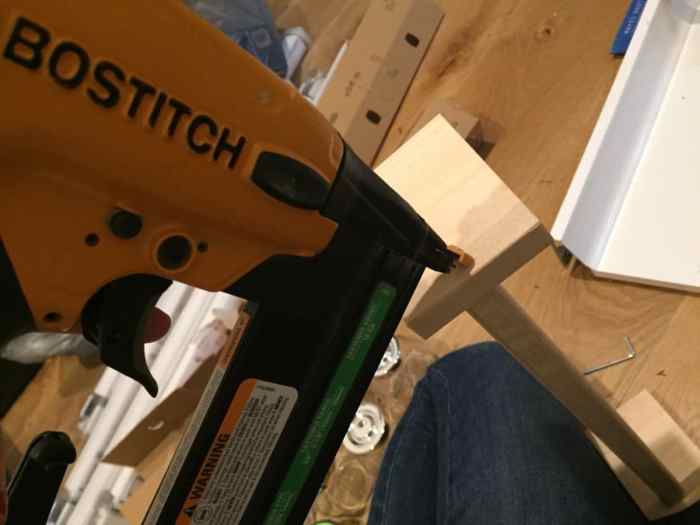
Maximizing the utility of spice drawers requires a strategic approach to space optimization and design. Proper organization not only enhances the visual appeal of the kitchen but also streamlines the spice retrieval process, saving valuable time and reducing frustration. Effective designs account for the specific dimensions and configurations of individual drawers, ensuring efficient storage and minimizing clutter.The design of spice drawer organizers must address the critical issue of preventing spice spills and shifts.
This is achieved by incorporating structural elements that maintain the stability of individual spice containers within the drawer. This, in turn, ensures that the spices remain in their designated spots and are readily accessible.
Visual Guide for Optimizing Drawer Space
A well-designed spice drawer organizer should facilitate easy access to all spices without compromising order. Consider a tiered or layered approach, where different heights of containers are strategically placed. This allows for efficient use of vertical space and minimizes wasted area. Employing clear containers with labels enhances visibility and speeds up the selection process.
Techniques to Prevent Spills and Shifting
Several techniques can effectively prevent spices from spilling or shifting. Utilizing dividers within the drawer organizer creates compartments, containing individual spice containers and preventing them from colliding. Alternatively, consider using specialized containers with secure lids. The selection of these containers should account for the size of the spice jars. The containers should have a design that minimizes the risk of spillage, preventing spices from scattering when the drawer is opened or closed.
Adapting Organizers for Different Drawer Sizes and Shapes
Spice drawer organizers must accommodate a wide range of drawer sizes and shapes. Modular organizers offer flexibility, allowing for customization to fit various drawer depths and widths. Adjustable dividers can be used to accommodate different container sizes, ensuring the best possible use of the available space. Custom-cut organizers, specifically designed for non-standard drawer dimensions, provide the most efficient and tailored solution.
Custom Spice Organizer Design
For a custom-made spice organizer, accurate measurements of the drawer’s dimensions are crucial. A detailed blueprint or CAD drawing is essential to ensure a perfect fit. Consider using a combination of containers, dividers, and shelves, strategically positioned to maximize space utilization. Material selection should prioritize durability, resistance to moisture, and ease of cleaning. A custom design should incorporate a clear labeling system for quick identification of each spice.
For example, a drawer measuring 12 inches in width, 6 inches in depth, and 3 inches in height could utilize vertical dividers to create multiple compartments. These compartments could then be filled with various sized containers to accommodate various spice jars.
Spice Storage Techniques
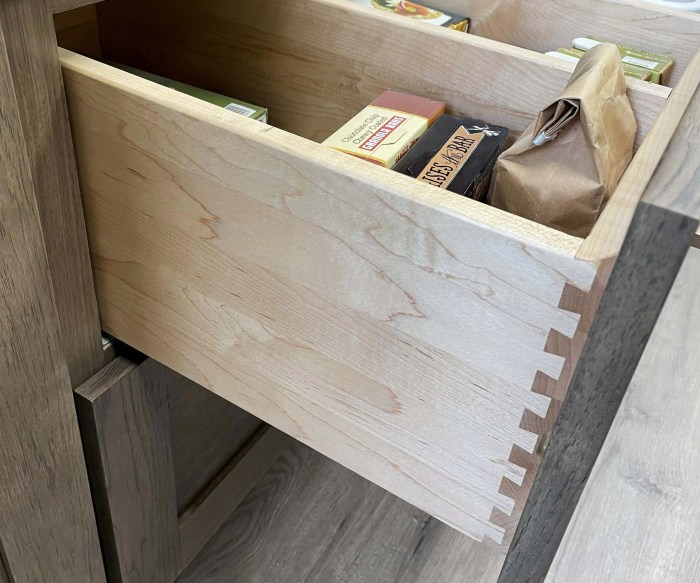
Strategic spice storage transforms a chaotic drawer into an organized culinary asset. Proper techniques ensure easy access to the right spice at the right time, preserving flavor and preventing unwanted cross-contamination. This meticulous approach not only enhances kitchen efficiency but also elevates the overall culinary experience.Effective spice storage is more than just putting containers in a drawer. It’s about understanding how different spices interact, how to optimize space, and how to maintain freshness.
A well-organized spice drawer translates to a more efficient and enjoyable cooking process.
Organizing Spices by Type
Categorizing spices by type—e.g., whole spices, ground spices, or extracts—facilitates quick identification and retrieval. This logical grouping minimizes searching time and maximizes efficiency. For instance, a dedicated section for ground peppercorns or a separate area for chili flakes allows quick selection.
Organizing Spices by Color
Organizing spices by color creates a visually appealing and readily accessible system. A color-coded approach enhances visual identification, reducing guesswork. This is particularly helpful for quickly locating spices like turmeric or paprika.
Organizing Spices by Frequency of Use
High-frequency use spices should be readily accessible, typically placed in the front of the drawer. Regularly used spices like salt, pepper, and garlic powder are often positioned within easy reach. This minimizes the need to rummage through the drawer for frequently needed ingredients.
Spice Rotation and Tracking
Proper spice rotation is crucial for maintaining freshness and preventing deterioration. Date labels on spice containers ensure timely rotation and prevent using old, stale spices. This practice ensures consistently flavorful dishes. Tracking spice expiration dates through a simple spreadsheet or a dedicated spice rotation app can greatly aid in maintaining freshness.
Examples of Easy Access Organization
Utilizing clear, labeled containers allows for quick identification. Dividers and drawer organizers can create separate sections for different spice types. For example, using small, labeled jars in a designated section for ground spices, or arranging large containers with labels for whole spices, creates a visual system for easy retrieval.
Comparing Storage Containers
Different spice containers offer varying levels of protection and convenience. Glass jars are ideal for preserving flavor, while airtight containers prevent moisture absorption. For example, using airtight containers for ground spices protects them from absorbing moisture and maintains their quality. Metal tins can offer a more robust and durable storage solution, ideal for whole spices, ensuring they are well-protected.
Choosing the Right Container
The optimal container for each spice type depends on its specific needs. Whole spices benefit from containers that allow for proper airflow, while ground spices require airtight containers to prevent them from absorbing moisture and becoming stale. Consider the type of spice, its consistency, and the desired level of protection when choosing the appropriate storage container.
Drawer Organizer Styles and Variety
Spice drawer organization transcends mere functionality; it’s about optimizing space and enhancing the overall kitchen experience. Choosing the right drawer organizer style is crucial for efficient spice storage and retrieval. The available variety caters to diverse needs and aesthetics, from minimalist designs to elaborate solutions.Different styles offer unique advantages, influencing storage capacity, visual appeal, and budget. A thoughtful selection ensures your spice collection is not just neatly organized but also visually appealing, aligning with your kitchen’s design.
Organizer Styles Comparison
Understanding the various drawer organizer styles allows for a tailored selection based on specific storage needs. This table provides a comparison of popular styles, highlighting their features and practical implications.
| Organizer Style | Description | Storage Capacity | Aesthetic Appeal | Price | Visual Example |
|---|---|---|---|---|---|
| Clear Containers | Individual, often stackable, containers in clear plastic or glass. | Good, depending on container size and stacking ability. | High, transparent nature allows easy spice identification. | Moderate | Imagine small, rectangular boxes with lids, varying in height and width, stacked neatly in a spice drawer. |
| Tiered Organizers | Multi-level dividers creating distinct compartments within the drawer. | Excellent, maximizing vertical space. | Moderate to high, depending on the material and design. | Moderate to high | Visualize a series of shallow trays or shelves placed one above the other within the drawer, creating different levels for storage. |
| Dividers | Vertical or horizontal dividers to separate spices or create distinct sections within the drawer. | Good, especially for organizing spices with different shapes or sizes. | Low to moderate, depending on the material and design. | Low to moderate | Picture thin, adjustable plastic or metal dividers placed vertically or horizontally within the drawer, creating separate compartments for various spice groups. |
| Pull-Out Trays | Sliding trays that pull out for easy access to spices. | Good to excellent, depending on the tray’s size and design. | High, enhances functionality and aesthetics. | High | Envision a shallow drawer that holds a series of pull-out trays, each with sections for different spice types. |
| Combination Organizers | Combining elements of clear containers, tiered systems, or dividers. | Variable, depending on the specific combination. | High, offering both functionality and design. | Moderate to high | Envision a drawer with clear containers placed on tiered shelves, creating a visually appealing and organized system. |
Choosing the Best Organizer
The ideal spice drawer organizer depends on factors like the amount of space available, the variety of spices, and personal preferences. Clear containers are excellent for easy identification, while tiered organizers maximize vertical space. Pull-out trays provide convenient access to spices, whereas dividers are a budget-friendly option for simple organization. Combination organizers blend features for a personalized approach to spice storage.
A combination organizer might incorporate clear containers in tiered sections, maximizing both visibility and space utilization.
Maintenance and Cleaning
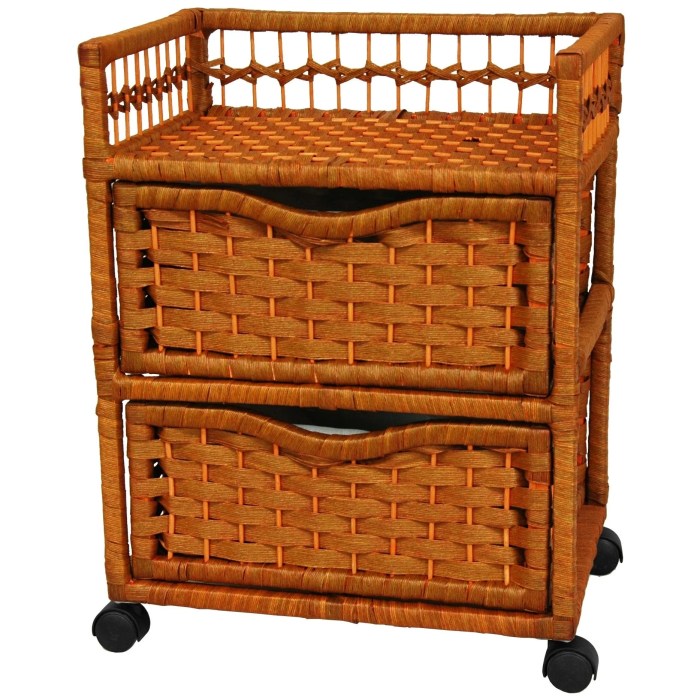
Maintaining the pristine organization of your spice drawer requires a proactive approach to cleaning and sanitizing. Regular upkeep prevents the buildup of moisture and food particles, which can lead to mold, mildew, and unpleasant odors, ultimately jeopardizing food safety. A well-maintained spice drawer organizer not only enhances the visual appeal of your kitchen but also ensures the freshness and safety of your valuable spices.Proper cleaning practices are essential for maintaining the hygienic and functional integrity of spice drawer organizers.
This includes understanding the specific materials used in construction, as well as appropriate cleaning methods and frequencies to avoid compromising the structural integrity of the organizer. This proactive approach to maintenance will prolong the lifespan of the organizers and uphold the highest standards of food safety.
Cleaning Methods for Different Materials
Various materials are used in spice drawer organizers, each requiring specific cleaning techniques. Knowing these methods is crucial for maintaining the quality and longevity of the organizers. This ensures that the chosen cleaning process does not damage the material or compromise the safety of the spices.
- Plastic Organizers: Mild dish soap and warm water are typically sufficient. Avoid abrasive cleaners or scouring pads, which can scratch the plastic surface. Rinse thoroughly and allow to air dry completely to prevent water spots or mold growth.
- Metal Organizers: A solution of mild dish soap and warm water can also be used for metal organizers. For tougher stains, a paste of baking soda and water can be used. Rinse thoroughly and dry completely to prevent rust. Use a soft cloth or sponge to avoid scratching the metal.
- Wood Organizers: Wood organizers, often featuring natural finishes, require gentle cleaning. Use a damp cloth with a mild dish soap solution, then wipe dry with a clean, soft cloth. Avoid excessive moisture, which can damage the wood’s finish. For stubborn stains, a mixture of olive oil and lemon juice can be applied, followed by a thorough wiping. Always test in an inconspicuous area before applying to the entire surface.
- Glass Organizers: Glass is relatively easy to clean. Use a solution of mild dish soap and warm water, then rinse thoroughly and dry with a clean cloth. Avoid harsh chemicals that could damage the glass surface.
Sanitizing for Food Safety
Sanitizing your spice drawer organizers is a crucial aspect of food safety. Regular sanitization prevents the growth of harmful microorganisms and ensures the safety of your spices.
- Using Disinfectant Solutions: A diluted bleach solution (1 tablespoon of bleach per gallon of water) can be used for sanitizing. Ensure thorough rinsing with clean water to remove any residue. Follow the manufacturer’s instructions for any specific cleaning solutions.
- Baking Soda Paste: A paste made of baking soda and water can be used for sanitizing. Apply the paste to the organizer, let it sit for a few minutes, and then wipe it clean with a damp cloth. Rinse thoroughly with water.
- Vinegar Solution: A solution of white vinegar can also be used as a sanitizing agent. Wipe the surface with a vinegar solution, let it sit for a few minutes, and then rinse thoroughly with water.
Cleaning Frequency
Regular cleaning is essential for maintaining a clean and sanitary spice drawer. The frequency of cleaning will depend on how often the spice drawer is used.
- Weekly Cleaning: A weekly cleaning is recommended for regular spice drawer use. This helps maintain a clean environment, preventing the accumulation of food particles and moisture. This will ensure a hygienic spice drawer that is safe for use.
- Monthly Deep Cleaning: A monthly deep cleaning can help to remove any stubborn stains and sanitize the organizer thoroughly. A more in-depth cleaning, like this, is essential to eliminate any potential mold or mildew growth.
Customer Reviews and Feedback
Consumer feedback is crucial for refining spice drawer organizers. Understanding customer experiences, both positive and negative, allows manufacturers to identify areas for improvement and enhance product design. Analyzing reviews provides valuable insights into functionality, usability, and overall satisfaction, guiding future product iterations and increasing customer loyalty.
Common Customer Reviews
Customer reviews on spice drawer organizers reveal a spectrum of experiences. Some praise the organizers for their effectiveness in organizing and maximizing space, while others express concerns about their durability or ease of use. This section summarizes these findings, categorizing them into positive and negative aspects for a clear understanding.
Positive Aspects of Drawer Organizers
- Improved organization: Many customers highlight the significant improvement in spice organization within their drawers. This leads to faster retrieval times and reduces the frustration of searching for specific spices. Examples include testimonials like “Finally, my spice drawer is a well-organized dream!” or “I can easily find any spice I need now.” This showcases the clear benefits of the organizers.
- Space optimization: Customers frequently mention the effectiveness of the organizers in maximizing drawer space. This is particularly valuable for kitchens with limited counter space or crowded drawers. Reviews often detail how the organizers help to declutter the space.
- Enhanced aesthetics: Some customers note that the organizers improve the overall appearance of their spice drawers. The organized arrangement of spices contributes to a more visually appealing and streamlined kitchen environment.
Negative Aspects of Drawer Organizers
| Issue | Customer Feedback Examples | Potential Solutions |
|---|---|---|
| Poor durability | “The dividers broke after only a few weeks of use.” “The plastic feels flimsy and I worry it won’t last.” |
Employing stronger materials, such as BPA-free, high-impact plastic, or metal, could address this issue. Reinforced connections and stress points in the design are also crucial for increased longevity. |
| Difficult installation | “The dividers were tricky to install and didn’t fit snugly.” “The instructions were confusing.” |
Simplify the installation process by using clearer, more illustrated instructions. Ensure that the dividers are designed to fit securely within the drawer and have well-defined insertion points. |
| Limited capacity | “The organizers don’t hold enough spices for my needs.” “The compartments are too small for my large spice jars.” |
Offer organizers with various compartment sizes and configurations to accommodate different spice jar sizes and quantities. Consider offering modular designs for greater flexibility in accommodating different spice storage needs. |
| High price point | “The cost is too high for the product.” | Explore alternative material options that maintain quality and functionality while potentially lowering production costs. |
Common Issues Raised by Customers
Customer feedback consistently points to issues with durability, installation complexity, and limited capacity. These concerns suggest areas for product improvement. For example, many customers report that the dividers break easily or are difficult to install, leading to frustration and a negative user experience.
Ultimate Conclusion
In conclusion, achieving an organized spice drawer goes beyond mere aesthetics; it’s about efficiency and maintaining the quality of your culinary ingredients. By considering factors like material, storage techniques, and maintenance, you can create a spice drawer that is both functional and visually appealing. This comprehensive guide equips you with the knowledge to transform your spice drawer into a well-organized and easily accessible culinary hub.
