Finding the perfect decorative boxes near you is crucial for a variety of needs, from gift-giving to storage. This comprehensive guide explores the diverse world of decorative boxes, from their styles and materials to local retailers offering them. Understanding dimensions, pricing, and craftsmanship is vital in making informed decisions. This guide arms you with the knowledge to select the ideal box for your needs, whether you’re seeking a unique piece for a special occasion or practical storage solutions.
Navigating the plethora of styles and materials can be daunting. This resource offers a clear comparison of different types of decorative boxes, including jewelry boxes, gift boxes, and storage boxes. Moreover, it pinpoints local retailers, allowing you to easily find the perfect decorative box within your immediate area. The guide delves into the intricacies of materials, craftsmanship, and pricing, ultimately helping you make an informed choice.
Defining Decorative Boxes
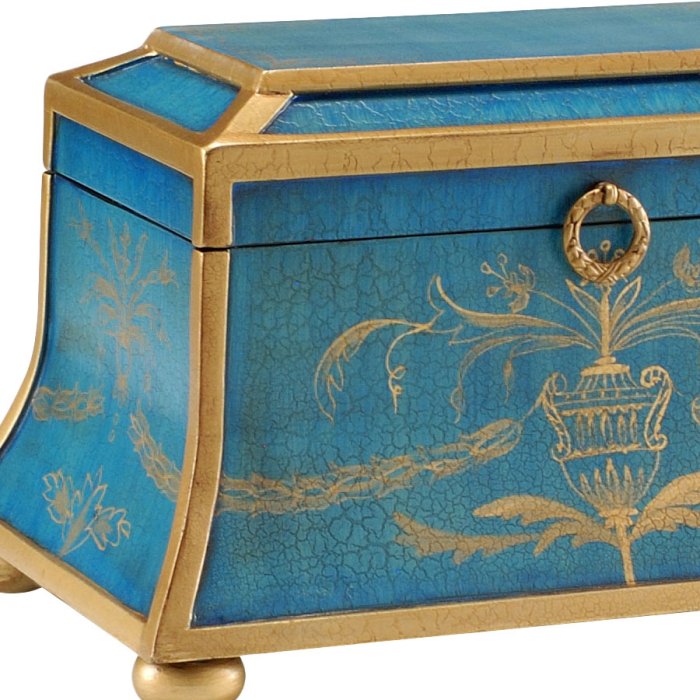
Decorative boxes transcend their functional role as containers; they are expressions of artistry, craftsmanship, and often, personal style. From intricately carved wooden treasures to sleek, modern designs, these boxes embody a diverse spectrum of aesthetic appeal. Their allure lies not just in their ability to hold cherished items, but also in their visual impact, transforming any space into a carefully curated environment.Beyond their aesthetic value, decorative boxes offer a nuanced approach to organization and storage.
They elevate the act of storing personal items, transforming a mundane task into a moment of mindful engagement with beauty and intention. This extends beyond simple practicality, emphasizing the tactile and visual elements of the experience.
Types of Decorative Boxes
Decorative boxes encompass a wide range of categories, each with unique characteristics and applications. This variety stems from the diverse materials, designs, and intended uses that define them. The distinctions often blur, allowing for overlap and hybrid forms, but understanding these categories provides a framework for appreciating the breadth of this aesthetic category.
- Jewelry Boxes: These boxes, often crafted with exquisite attention to detail, are designed to safely house and display precious jewelry. Their construction frequently employs materials like velvet, wood, or metal, and their design often incorporates intricate patterns, embellishments, or symbolic motifs. Many are equipped with compartments and trays to organize and display rings, necklaces, earrings, and bracelets, reflecting a commitment to both functionality and visual appeal.
- Gift Boxes: Gift boxes serve a dual purpose, acting as both containers and visual representations of the gift they hold. Their aesthetic is crucial, as the presentation often contributes significantly to the overall impression of the gift-giving experience. Styles range from simple and elegant to ornate and elaborate, tailored to the specific occasion and the nature of the gift itself.
The materials employed (cardboard, paper, wood, or metal) and decorative elements (bows, ribbons, and printed patterns) significantly influence the perceived value and character of the gift.
- Storage Boxes: Storage boxes, while functional, are frequently chosen for their decorative qualities. These boxes are designed to hold items like linens, toys, or other household goods, while also contributing to the overall aesthetic of a room. Their design often incorporates patterns, colors, or textures that complement the surrounding décor, elevating storage from a purely practical activity to a more visually engaging one.
- Collectable Boxes: These boxes, often tied to a specific theme or hobby, are sought after for their unique design and craftsmanship. They can be related to popular culture, historical events, or artistic movements. Collectors often value these boxes not only for their ability to hold items but also for their potential to become pieces of art or historical artifacts in themselves.
This can include boxes for specific hobbies like tea, stamps, or even miniature figures.
Key Characteristics of Decorative Boxes
Distinguishing decorative boxes from other types of boxes hinges on several key attributes. These traits often overlap, but their combined presence defines the essence of a decorative box.
- Aesthetic Appeal: The primary characteristic is the box’s visual appeal. This includes careful consideration of materials, colors, patterns, and overall design. This goes beyond the practical function of containment, prioritizing beauty and craftsmanship.
- Quality Materials: The choice of materials frequently plays a significant role in the box’s aesthetic and perceived value. Materials like high-quality wood, intricately carved details, or fine fabrics like velvet often elevate the box’s overall appeal.
- Intricate Design: Decorative boxes often feature intricate designs, embellishments, or motifs that reflect artistry and craftsmanship. This can include carvings, engravings, painted designs, or embossed patterns, adding depth and character to the box.
- Careful Construction: The meticulous construction and attention to detail are crucial in a decorative box. Solid joints, precise cuts, and a harmonious integration of design elements contribute to the box’s overall appeal and longevity.
Comparative Analysis of Decorative Boxes
The following table offers a comparative overview of the different types of decorative boxes, highlighting their distinct features and uses.
| Type | Primary Function | Typical Materials | Key Design Elements | Intended Use |
|---|---|---|---|---|
| Jewelry Box | Storing and displaying jewelry | Velvet, wood, metal | Intricate carvings, compartments, trays | Preserving and showcasing precious items |
| Gift Box | Presenting gifts | Cardboard, paper, wood, metal | Bows, ribbons, printed patterns | Adding visual appeal to gifts |
| Storage Box | Storing household items | Wood, fabric, wicker | Patterns, colors, textures | Organizing and enhancing storage |
| Collectable Box | Holding collectables | Diverse (based on the collection) | Specific themes, historical or artistic motifs | Displaying and preserving collectables |
Identifying Local Retailers

Navigating the market for decorative boxes often requires a deep dive into local retail options. Understanding the range of offerings, pricing, and retailer reputations is crucial for discerning consumers seeking the perfect container for their needs. This exploration reveals the diverse landscape of local vendors and their unique approaches to satisfying customer demands.
Local Retailers Offering Decorative Boxes
Local retailers, both online and offline, offer a variety of decorative boxes. This section details key players in the market, their reputations, and pricing structures, providing valuable insight for discerning shoppers.
Online Retailers
Online platforms have become a primary source for many consumer goods, and decorative boxes are no exception. These virtual storefronts often offer wider selections and competitive pricing, potentially exceeding what brick-and-mortar stores provide.
- Etsy: A popular online marketplace known for its handcrafted and unique items, Etsy often boasts a significant selection of decorative boxes, ranging from simple, minimalist designs to elaborate, bespoke pieces. Reviews frequently praise the quality and creativity of the items, but variability in pricing is significant, with some sellers charging premium prices for their artisanal work.
- Amazon: Amazon’s vast inventory includes a wide array of decorative boxes, from simple storage containers to elaborate gift boxes. Its extensive selection and competitive pricing make it a go-to destination for many consumers. Customer reviews are often mixed, with some praising the convenience and selection, while others cite concerns about product quality or shipping times.
- Specialized Online Retailers: Some online stores specialize in decorative boxes. These retailers may focus on a particular style or material, providing a more curated selection. Customer reviews and reputation often depend on the retailer’s specific niche.
Offline Retailers
Brick-and-mortar stores remain a significant part of the retail landscape. These physical locations offer the tactile experience of browsing and potentially customizing purchases.
- Craft Stores: Craft stores often stock a selection of decorative boxes, ideal for those seeking unique designs and creative options. Pricing varies based on the store and the specific item.
- Home Goods Stores: Stores specializing in home décor, furnishings, and accessories frequently include decorative boxes in their product lines. These retailers frequently offer a wider variety of styles and price points.
- Gift Shops: Gift shops, often dedicated to providing a variety of gift-giving options, stock decorative boxes for packaging presents. Their pricing often reflects the intended use as gift containers.
Pricing Ranges
The price of decorative boxes varies significantly based on materials, size, complexity, and retailer. High-quality materials and intricate designs tend to command higher prices.
Comparative Analysis of Retailers
| Retailer | Address | Website | Phone Number | Price Range (USD) | Reputation |
|---|---|---|---|---|---|
| Etsy | Online | www.etsy.com | N/A | $5 – $100+ | Mixed, depends on the seller |
| Amazon | Online | www.amazon.com | N/A | $5 – $50+ | Mixed, depends on seller and product |
| Local Craft Store (Example) | 123 Main St, Anytown | www.localcraftstore.com | 555-1212 | $10 – $30 | Positive reviews for quality and selection |
| HomeGoods Store (Example) | 456 Elm Ave, Anytown | www.homegoodsshop.com | 555-9876 | $10 – $50 | Positive reviews for variety and price |
Exploring Styles and Designs
Beyond mere function, decorative boxes are potent statements of style and personality. Their aesthetic appeal often reflects broader design trends, making them valuable additions to homes and businesses alike. Understanding current styles and materials allows for informed choices and a deeper appreciation for the artistry involved.The design of decorative boxes is intrinsically linked to the materials used and the level of craftsmanship employed.
These factors often dictate the overall aesthetic and perceived value of the piece. From rustic charm to modern minimalism, a well-designed decorative box can seamlessly integrate into various environments.
Current Trends in Decorative Boxes
Current trends in decorative boxes encompass a diverse range of styles, reflecting the broader trends in interior design. Geometric patterns, bold colors, and unconventional materials are increasingly popular, pushing beyond traditional aesthetics. This evolution is driven by consumer demand for unique and personalized items that enhance the character of a space.
- Geometric designs are gaining traction, featuring intricate patterns and clean lines that create a modern and contemporary feel.
- Bold colors, often paired with contrasting neutrals, add vibrancy and visual interest to spaces. These choices often reflect the current trend toward maximalism in interior design.
- Natural materials, like wood and rattan, are experiencing a resurgence, bringing warmth and an earthy aesthetic into homes and businesses.
Popular Materials for Decorative Boxes
The choice of material significantly impacts the overall aesthetic and durability of a decorative box. Wood, metal, fabric, and paper are prevalent choices, each contributing a distinct character.
- Wood: Known for its natural beauty and versatility, wood boxes can range from simple, rustic designs to elaborate, carved pieces. The warmth and texture of wood create a cozy and inviting atmosphere.
- Metal: Metal boxes, often crafted from brass, copper, or iron, offer a sophisticated and enduring aesthetic. Their durability and ability to hold intricate designs make them excellent choices for both practical and decorative purposes.
- Fabric: Fabric boxes, particularly those made from velvet, linen, or silk, offer a luxurious and tactile experience. The richness of the fabric adds depth and visual interest to the box.
- Paper: Paper boxes, often embellished with intricate patterns or textures, provide a lightweight and versatile option. They are frequently used for smaller items and can be easily customized to match specific needs.
Craftsmanship in Decorative Box Design
Craftsmanship plays a pivotal role in elevating a decorative box beyond a mere container. The skill and attention to detail invested in the creation of a box significantly influence its perceived value and aesthetic appeal. Expert craftsmanship often translates to unique designs, superior quality, and a lasting aesthetic appeal.
“Hand-crafted decorative boxes often possess a unique character and individuality that mass-produced items lack.”
Various Decorative Box Styles
The diversity of styles in decorative boxes mirrors the breadth of interior design preferences.
| Style | Description | Typical Materials |
|---|---|---|
| Vintage | Inspired by antique or retro designs, often featuring ornate details and muted color palettes. | Wood, metal, fabric |
| Modern | Clean lines, simple forms, and a focus on functionality. May incorporate geometric patterns and bold colors. | Metal, wood, glass |
| Rustic | Warm, earthy tones and natural textures. Often made from wood, with visible wood grain and simple designs. | Wood, rattan, metal |
| Bohemian | Exuberant patterns, eclectic mix of materials, and a focus on individuality. May incorporate natural elements and vibrant colors. | Wood, fabric, metal, paper |
Comparing Prices and Features
Navigating the market for decorative boxes requires a keen eye for value. Price alone doesn’t tell the whole story; features, materials, and craftsmanship significantly impact the overall cost and desirability. Understanding the correlation between these elements is crucial for making informed decisions.Thorough comparison of prices and features is paramount in ensuring you’re getting the best possible value for your decorative boxes.
This involves scrutinizing the quality of materials, the complexity of design, and the overall aesthetic appeal, alongside the retail price. Ultimately, the optimal choice depends on individual needs and preferences.
Price Comparison Across Retailers
Different retailers offer decorative boxes at varying price points. This disparity reflects factors such as brand reputation, production costs, and the retailer’s markup. A detailed comparison can reveal hidden value or potential overpricing. For instance, a boutique specializing in handcrafted items might charge more for their artisanal boxes, while a large online retailer might offer a wider selection at more competitive prices.
Key Features and Their Impact on Pricing
The features of a decorative box directly influence its price. Factors such as the type of material (wood, metal, glass, or paper), intricate designs, and the inclusion of special elements (e.g., compartments, handles, or embellishments) all contribute to the final price.
Detailed Feature Comparison Table
| Feature | Description | Price Point (USD) | Example Retailers |
|---|---|---|---|
| Material | Solid wood, with intricate carvings. | $50-$200 | “Artisan’s Treasures”, “The Crafted Box” |
| High-quality metal, with laser-cut designs. | $30-$150 | “Metal & More”, “Box Boutique” | |
| Premium glass, with engraved patterns. | $75-$300 | “Glass & Decor”, “The Crystal Box” | |
| Design | Simple, minimalist design. | $10-$50 | “Online Box Store”, “Box Depot” |
| Elaborate, ornate designs. | $50-$200+ | “Luxury Box Co.”, “The Artisanal Box” | |
| Capacity/Size | Small, for jewelry or small trinkets. | $10-$50 | “Small Box Emporium”, “The Trinket Box” |
| Large, for storing documents or collections. | $50-$200+ | “Storage Solutions”, “The Vault Box” |
This table provides a general overview. Actual prices may vary based on specific designs, sizes, and retailer markups.
Understanding Dimensions and Sizes
The choice of decorative box size significantly impacts its aesthetic appeal and practical utility. Careful consideration of dimensions is crucial, especially when selecting boxes for storage, gifting, or display. Understanding standard sizes and capacities allows for informed purchasing decisions and ensures the box effectively serves its intended purpose.Accurate sizing information is paramount when selecting a box for a specific need.
Knowing the capacity of a box helps anticipate how much it can hold, whether it’s for storing jewelry, collectibles, or gifts. The dimensions directly influence the overall presentation and visual impact, which is crucial for decorative boxes.
Standard Dimensions and Sizes
Understanding the common dimensions of decorative boxes provides a framework for making informed choices. Standard sizes often adhere to established industry norms, enabling efficient storage and transport. Boxes that conform to these standards are more likely to fit into existing systems and storage solutions.
Examples of Size Applications
Different sizes of decorative boxes cater to diverse needs. Small boxes, for example, are ideal for storing delicate items like jewelry or small trinkets. Medium-sized boxes excel as gift containers, providing an elegant presentation for presents. Large boxes are suited for organizing bulkier items or as decorative storage for items like books or collectibles.
Capacity Table
The table below illustrates the relationship between size and capacity for various decorative boxes. These dimensions are representative, and specific dimensions may vary by manufacturer.
| Size Category | Approximate Dimensions (Length x Width x Height) | Estimated Capacity |
|---|---|---|
| Small | 6″ x 6″ x 4″ | Approximately 150 cubic inches |
| Medium | 8″ x 8″ x 6″ | Approximately 380 cubic inches |
| Large | 10″ x 10″ x 8″ | Approximately 800 cubic inches |
| Extra Large | 12″ x 12″ x 10″ | Approximately 1440 cubic inches |
Importance of Box Size
The size of a decorative box plays a pivotal role in both storage and gift-giving scenarios. For storage, a precisely sized box ensures items are adequately protected and easily accessible. In gift-giving, the right size enhances the presentation of the gift, creating a positive first impression. For example, a meticulously sized jewelry box not only secures the items but also showcases their elegance.
Similarly, a suitably sized box for a gift conveys thoughtfulness and care, enhancing the recipient’s experience.
Analyzing Decorative Box Materials
Beyond aesthetics, the durability and longevity of a decorative box are crucial considerations. Choosing the right material can significantly impact the box’s lifespan and its ability to withstand everyday use and potential damage. The interplay between material properties and visual appeal is key to making an informed purchase.
Durability and Longevity of Different Materials
The longevity of a decorative box hinges on the inherent strength and resistance to wear of the chosen material. Factors like impact resistance, moisture absorption, and susceptibility to warping or cracking influence the box’s lifespan. High-quality materials, while potentially more expensive, offer a longer return on investment.
Materials with Unique Characteristics
Certain materials exhibit exceptional properties, enhancing their suitability for decorative boxes. Wood, for instance, offers a natural warmth and aesthetic appeal. Metal, often employed for intricate designs, possesses exceptional durability. Paper, with its adaptability, allows for intricate designs and a variety of finishes. Each material’s unique characteristics play a role in the box’s overall aesthetic and practical qualities.
Impact on Aesthetic Appeal
The material directly affects the box’s aesthetic. The grain of wood, the sheen of metal, or the texture of paper each contribute to the overall visual appeal. Color variations and finishes further amplify the design’s impact. The choice of material can create a rustic, modern, or classic ambiance.
Comparative Analysis of Materials
| Material | Durability | Cost | Aesthetics |
|---|---|---|---|
| Wood (e.g., Mahogany, Birch) | Generally high, depending on the type and treatment; prone to warping if not properly sealed. | Medium to high, varying with the type of wood and finish. | Natural, warm, and often visually appealing with varied grain patterns. |
| Metal (e.g., Brass, Copper, Steel) | Very high, resistant to damage and warping; can be heavy. | High, depending on the metal type and finish. | Elegant, often used for intricate designs; can offer a luxurious feel. |
| Paper (e.g., Cardboard, Kraft) | Low to medium, depending on the thickness and type of paper; susceptible to moisture and tearing. | Low | Versatile, adaptable to various designs and finishes; can be light and airy. |
| Glass | High, resistant to scratches; can be heavy and prone to breakage. | Medium to high | Transparent, elegant, and showcases the contents; requires careful handling. |
| Plastic (e.g., Resin, Acrylic) | Medium, durable but can be susceptible to scratches; may not be as visually appealing as other options. | Low to medium, depending on the type of plastic and finish. | Versatile, can be molded into complex shapes; often lightweight. |
Note: Durability ratings are relative and depend on the specific treatment and quality of the material.
Illustrating Decorative Box Usage
Beyond aesthetics, decorative boxes serve practical purposes, enriching various aspects of life. Their adaptability extends from elegant gift-giving to discreet storage solutions, transforming mundane tasks into thoughtful displays. The right box can elevate a simple gesture or seamlessly integrate into a curated home environment.Beyond their visual appeal, decorative boxes offer a multifaceted utility. Their versatility transcends the confines of mere containers; they become integral parts of presentations, enhancing the overall experience for both giver and recipient.
Consider the carefully selected gift, nestled within a custom-designed box, as an example. The packaging becomes an extension of the gift itself, reflecting the care and consideration put into the presentation.
Gift-Giving Applications
Decorative boxes are indispensable in the art of gift-giving. They elevate the presentation, making the recipient feel appreciated and the gift more special. Consider the scenario: a thoughtful handmade piece of jewelry, presented in a beautifully crafted wooden box. This immediately communicates care and consideration, transcending the simple act of giving.
- Customizable Presentations: Decorative boxes enable personalization. A box with a personalized message, a monogram, or a unique design can enhance the gift-giving experience significantly. This personal touch elevates the gift beyond its intrinsic value.
- Elevating the Experience: The choice of box can significantly impact the recipient’s perception of the gift. A simple trinket presented in a lavish, ornate box feels more valuable. A delicate, floral-patterned box conveys a sense of grace and charm.
- Thematic Cohesion: Matching the box’s design to the gift’s theme creates a cohesive presentation. For example, a collection of vintage-inspired trinkets housed in a distressed-wood box adds a sense of continuity and aesthetic unity.
Storage and Organization
Decorative boxes are also valuable tools for organization and storage, seamlessly integrating into various home settings. Their aesthetic qualities transform utilitarian tasks into refined displays.
- Versatile Storage: From jewelry and trinkets to stationery and craft supplies, decorative boxes provide a functional and aesthetically pleasing storage solution. A beautifully painted wooden box can store delicate accessories, adding a touch of elegance to a dressing table.
- Organized Displays: Boxes can organize items and create attractive displays. A collection of vintage teacups or miniature figurines can be presented on a shelf in matching decorative boxes, creating a curated display.
- Creating Dedicated Spaces: Decorative boxes allow for the creation of thematic storage areas. A collection of books on a specific topic can be grouped in matching boxes, enhancing both visual appeal and organization.
Scenarios for Decorative Box Use
The adaptability of decorative boxes extends beyond gift-giving and storage. They can serve as unique display pieces or enhance the ambience of a room.
- Home Decor: A decorative box can serve as a unique centerpiece on a shelf or table. Its intricate design or vibrant colors can draw the eye and add character to the space. A collection of small, themed decorative boxes can add a touch of charm to a bookshelf.
- Party Favors: For parties and events, decorative boxes can package party favors. This adds a touch of elegance and makes the favors more memorable. Miniature boxes filled with sweets or small trinkets add a personalized touch.
- Gift Baskets: Decorative boxes are excellent containers for gift baskets. They can elevate the presentation of a collection of goodies, creating a cohesive and appealing arrangement. A selection of gourmet treats presented in a large, intricately carved wooden box conveys an air of sophistication.
Highlighting Craftsmanship and Detailing
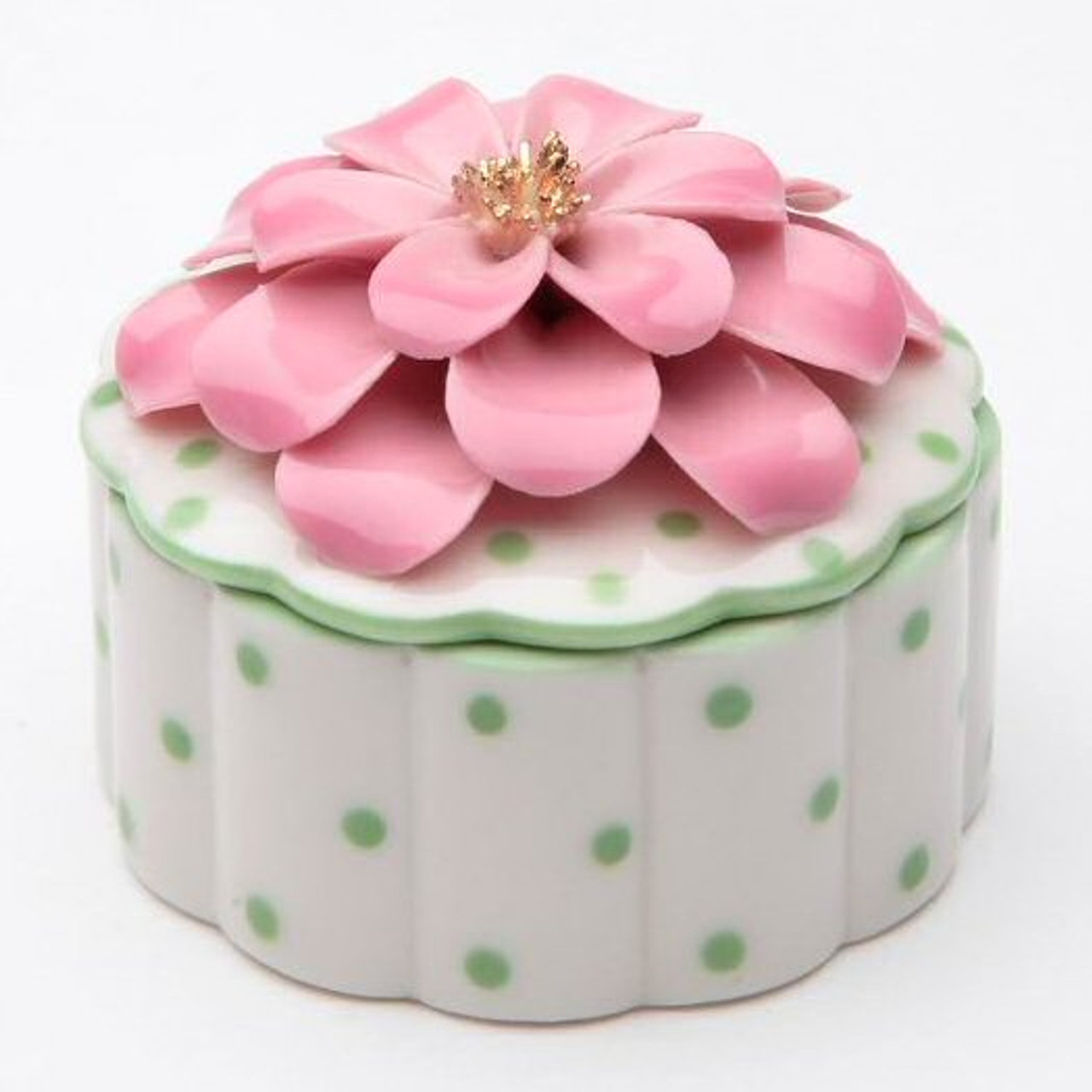
Beyond aesthetics, the craftsmanship behind decorative boxes significantly impacts their value and appeal. Superior craftsmanship translates to meticulous attention to detail, resulting in pieces that are not just beautiful but also enduring. This dedication to quality elevates the box from a mere container to a statement piece.
The Role of Craftsmanship in Decorative Boxes
Craftsmanship in decorative boxes encompasses the entire process, from material selection and design to intricate carving, inlay, and finishing. Each step demands skill and precision, creating a tangible connection between the artisan and the final product. This commitment to quality elevates the box from a simple container to a piece of art, enhancing its aesthetic appeal and potential value.
Masterful craftsmanship is often evident in the seamless integration of materials, the precise execution of details, and the overall balance of the design.
Key Elements Contributing to Aesthetic Appeal
Several factors contribute to the aesthetic appeal of decorative boxes. These include the choice of materials, the complexity of the design, the precision of the construction, and the use of embellishments. The selection of high-quality materials, such as exotic woods, fine metals, or luxurious fabrics, instantly elevates the visual appeal. Likewise, intricate carvings, intricate inlays, or meticulously applied finishes contribute to the overall aesthetic.
Levels of Detail in Decorative Box Designs
Decorative boxes exhibit varying levels of detail, ranging from simple, elegant designs to highly complex and ornate pieces. Simple designs may feature clean lines, smooth surfaces, and subtle embellishments, while more elaborate designs showcase intricate carvings, inlaid patterns, and numerous decorative elements. The level of detail directly influences the perceived value and artistry of the box. For example, a box with intricate hand-carved floral patterns demonstrates a higher level of craftsmanship compared to a box with simple painted designs.
Craftsmanship Techniques Used for Decorative Boxes
| Technique | Description | Example |
|---|---|---|
| Carving | The process of removing material from a block of wood or other material to create a design. | Intricate floral patterns or geometric designs carved into wooden boxes. |
| Inlaying | The process of inserting small pieces of contrasting material (like precious stones, metals, or different woods) into a surface to create a pattern or design. | Inlaying mother-of-pearl into a wooden box to create a shimmering effect. |
| Turning | The process of shaping a piece of wood or other material by rotating it on a lathe. | Creating a beautifully turned wooden box with intricate curves and designs. |
| Metalworking | Techniques for shaping, forming, and embellishing metal. | Etching, engraving, or filigree work on metal boxes. |
| Painting | Applying paint to create patterns, textures, and embellishments on the box. | Decorative painted scenes, motifs, or geometric patterns on boxes. |
Categorizing Decorative Boxes by Occasion

Selecting the right decorative box is crucial for enhancing the presentation and impact of any occasion. The style and design of the box should complement the event’s theme and evoke the desired emotions. Choosing a box that aligns with the specific event fosters a more meaningful and impactful experience for all involved.
Types of Decorative Boxes Suitable for Different Occasions
The aesthetic appeal and functionality of decorative boxes are directly tied to the occasion they are intended for. A sophisticated, elegant box is more appropriate for a formal wedding or a high-end gift-giving event, while a playful, colorful box might be better suited for a child’s birthday party or a casual get-together.
Importance of Choosing the Right Box for a Specific Occasion
Matching the box’s design and material to the occasion ensures a cohesive and well-received presentation. For instance, a rustic wooden box might be ideal for a rustic-themed wedding, but it would be inappropriate for a modern, minimalist event.
Connection Between Box Style and the Event
The style of the box reflects the tone and atmosphere of the occasion. A box crafted from luxurious materials like velvet or genuine leather evokes a sense of prestige and sophistication, making it suitable for high-end events. Conversely, boxes made from recycled materials or featuring vibrant colors and patterns might be more fitting for eco-conscious events or children’s celebrations.
Categorizing Decorative Boxes by Occasion
| Occasion | Suitable Box Styles | Key Considerations |
|---|---|---|
| Weddings | Elegant, ornate boxes crafted from high-quality materials like wood, velvet, or metal. Boxes with intricate designs or embellishments are suitable for a formal or traditional wedding. Simple, modern boxes might be preferred for a contemporary or minimalist wedding. | Consider the overall wedding theme and color scheme. The box should complement the décor and attire. For example, a box with floral designs might be perfect for a garden-themed wedding. |
| Birthdays | Colorful, playful boxes in various shapes and sizes. Boxes with cartoon characters, whimsical patterns, or personalized designs are ideal for children’s birthdays. Sophisticated, neutral-toned boxes might be better for adult celebrations. | Match the box’s style to the age and interests of the birthday celebrant. Consider incorporating elements that reflect the celebrant’s hobbies or interests. |
| Holidays | Boxes with festive designs, colors, and patterns that align with the specific holiday. For example, red and green boxes for Christmas, or vibrant colors for Diwali. | Consider the holiday’s theme and cultural significance. A box that reflects the spirit of the holiday creates a more meaningful and impactful experience. |
| Anniversaries | Elegant and sophisticated boxes, reflecting the longevity and strength of the relationship. These can range from classic designs with understated elegance to more contemporary designs with symbolic elements. | Consider the style of the couple. The box should evoke a sense of appreciation and nostalgia. |
Examining Maintenance and Care
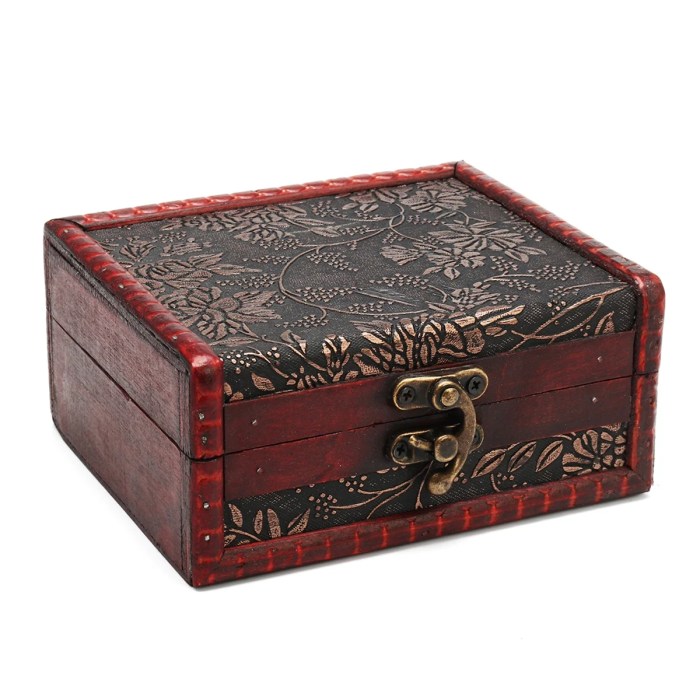
Preserving the aesthetic appeal and longevity of decorative boxes hinges on meticulous maintenance and care. Proper handling and storage, tailored to the material, are crucial for avoiding damage and preserving their beauty. This section provides a comprehensive guide to maintaining the pristine condition of your decorative boxes.
Maintaining Aesthetic Appeal
The allure of a decorative box often stems from its pristine condition. Regular inspection and gentle cleaning are key to preserving its visual appeal. Ignoring these simple steps can lead to premature wear and tear, diminishing its charm over time. Attention to detail is paramount in maintaining the decorative elements, whether intricate carvings, metallic finishes, or delicate embellishments.
Care for Different Materials
The appropriate care regimen varies significantly depending on the box’s material. For instance, wooden boxes benefit from occasional dusting and polishing with a soft cloth, while metal boxes might require specialized cleaning solutions to prevent tarnishing. Understanding the material’s inherent properties is essential for effective maintenance.
- Wooden Boxes: Regular dusting with a soft, dry cloth is recommended. Avoid harsh chemicals or excessive moisture. For more significant cleaning, a slightly damp cloth, followed by a thorough drying, may be necessary. Avoid direct sunlight and extreme temperatures to prevent warping or cracking.
- Metal Boxes: Metal finishes can tarnish over time. Use a mild detergent solution and a soft cloth for cleaning. Avoid abrasive cleaners that could scratch the surface. For specific finishes like brass or copper, consider using dedicated cleaning solutions for optimal results. Properly dry the metal after cleaning to prevent water spots.
- Fabric-Covered Boxes: Fabric-covered boxes require delicate handling. Dust with a soft brush or cloth. For stains, consult with a professional cleaner specializing in textiles to avoid damaging the fabric. Never machine wash fabric-covered boxes without first consulting the manufacturer’s instructions.
- Glass or Crystal Boxes: Glass or crystal boxes are prone to scratches. Clean with a microfiber cloth and a gentle glass cleaner. Avoid harsh chemicals and rough materials that could damage the surface. Handle with care, particularly when moving or storing.
Importance of Proper Storage and Handling
Proper storage and handling are vital for preventing damage to decorative boxes. Over time, improper storage can lead to dents, scratches, or warping, diminishing the box’s value and aesthetic appeal. Boxes should be stored in a cool, dry environment, away from direct sunlight and extreme temperatures.
- Storing Boxes: Store decorative boxes in a cool, dry, and dust-free environment, away from direct sunlight and extreme temperatures. Use acid-free tissue paper or archival-quality padding to separate boxes from each other. Avoid stacking heavy boxes on top of delicate ones.
- Handling Boxes: When handling decorative boxes, always use both hands to provide stability. Avoid dropping or bumping the boxes. When moving or transporting boxes, use a protective covering, if possible. Support the box from the base when lifting to avoid putting strain on the lid or sides.
Maintenance Procedures
Maintaining the aesthetic integrity of your decorative boxes is essential for preserving their value and visual appeal. A well-maintained box enhances its character and elevates its presentation.
- Regularly inspect the box for any signs of damage, such as dents, scratches, or warping.
- Dust the box using a soft, dry cloth to remove any loose particles.
- Clean the box according to the material type, using appropriate cleaning solutions and techniques.
- Store the box in a cool, dry, and dust-free environment, away from direct sunlight and extreme temperatures.
- Handle the box with care, using both hands to provide stability, and avoid dropping or bumping it.
Summary
In conclusion, this comprehensive guide provides a roadmap to finding the perfect decorative boxes near you. By exploring the diverse styles, materials, and local retailers, you’ll be empowered to make informed decisions. From understanding the subtle nuances of craftsmanship to comparing prices and features, this guide equips you with the essential knowledge to select the ideal decorative box for any occasion.
Whether it’s a unique gift or a thoughtful storage solution, the right box is within reach.