
Japanese vinyl player setups are renowned for their meticulous craftsmanship and exquisite sound. Beyond the aesthetic appeal, these systems often incorporate cutting-edge technology and unique design choices. This guide delves into the components, setup, and nuances of achieving optimal performance from a Japanese-built vinyl system, from turntable selection to cartridge matching.
This comprehensive guide examines the key elements crucial for a top-tier vinyl listening experience. It explores the distinctive features of Japanese-made components, highlighting their often superior build quality and sonic characteristics. The process of connecting and optimizing these systems is explored in detail, with a focus on the crucial role of each component.
Components of a Japanese Vinyl Player Setup

Japanese audiophiles have a deep-seated appreciation for the warm, nuanced sound of vinyl records. This pursuit often translates into meticulously crafted setups, emphasizing high-quality components and meticulous attention to detail. The components of a Japanese vinyl setup frequently reflect a dedication to achieving a sonic experience that goes beyond mere playback, reaching towards a true expression of the musical performance.
Turntables
Japanese turntable manufacturers often prioritize precision engineering and materials selection. Features like high-quality motor systems, rigid platter construction, and sophisticated damping mechanisms are common. These features contribute to reduced vibration and resonance, delivering a cleaner, more accurate signal. The focus on precise motor control and low-noise operation helps to minimize background noise and maximize the fidelity of the music.
Examples include models from companies like Denon, Technics, and Yamaha, each known for specific design approaches.
Tonearms
Tonearms are crucial in transferring the sound from the record to the cartridge. Japanese manufacturers often prioritize lightweight materials and carefully balanced designs for reduced friction and improved tracking accuracy. This contributes to minimal sonic coloration and a clear representation of the musical nuances. Specific arm designs and bearings influence the overall sonic characteristics, providing a personalized touch for audiophiles.
Cartridges
Cartridges are the crucial link between the vinyl and the audio signal. Japanese brands, like Audio-Technica and Ortofon, are known for a wide range of cartridges, each designed to capture the subtle nuances of the music with clarity. These cartridges frequently employ advanced stylus designs and materials to maintain accurate tracking and longevity. The specific design of the stylus tip and the cantilever construction impact the overall sonic character.
Preamplifiers
A preamplifier is critical in amplifying the weak signal from the cartridge. Japanese audio manufacturers frequently create preamplifiers that are highly specialized for phono signals. These preamplifiers are often designed with high input impedance, low noise, and high fidelity to avoid any distortion or alteration of the original audio signal. This precision and focus on minimizing noise ensure that the original signal from the vinyl record is faithfully presented.
Amplifiers
Japanese amplifier manufacturers often prioritize a combination of high-power output, low distortion, and high-fidelity sound reproduction. The use of high-quality components and meticulous circuit design are frequently employed to produce a clean and dynamic sound. The ability of the amplifier to handle the signal from the preamplifier without compromise is crucial.
Phono Cables
Phono cables transmit the audio signal from the preamplifier to the amplifier. The quality of these cables is essential, as even minor imperfections can affect the signal’s fidelity. High-quality phono cables, often featuring shielded construction, reduce noise and interference, maintaining the integrity of the audio signal. The cable’s construction and material greatly influence the signal’s quality and the overall sound experience.
Comparison Table
| Component Name | Brand Examples | Typical Features |
|---|---|---|
| Turntable | Technics, Denon, Yamaha | High-precision motor systems, rigid platters, sophisticated damping mechanisms |
| Tonearm | Clearaudio, Kuzma, Rega | Lightweight materials, balanced designs, precise bearing systems |
| Cartridge | Audio-Technica, Ortofon, Denon | Advanced stylus designs, high-fidelity sound reproduction, superior tracking accuracy |
| Preamplifier | NAD, Marantz, Audio-gd | High input impedance, low noise, high fidelity, specialized phono input stages |
| Amplifier | Marantz, Denon, Yamaha | High-power output, low distortion, high-fidelity sound reproduction, meticulous circuit design |
Connecting and Setting Up the System
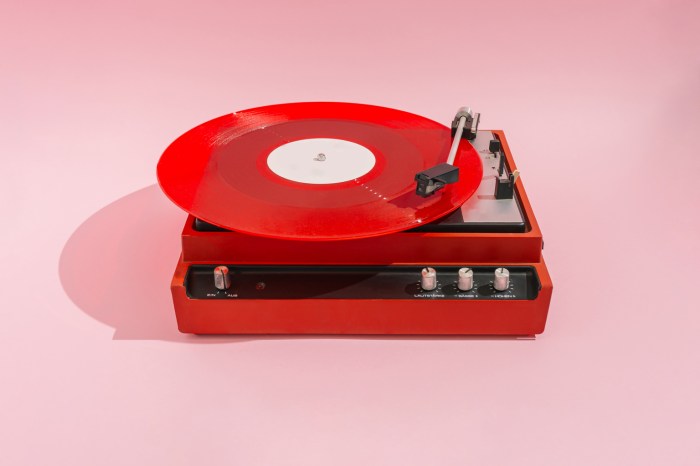
A meticulously crafted Japanese vinyl setup requires precise connections for optimal sound quality. Ignoring the intricacies of cabling and grounding can lead to unwanted noise, distortion, and a significantly diminished listening experience. Careful attention to detail in this phase is paramount for realizing the full potential of your system.The meticulous arrangement of components, from the turntable to the amplifier, dictates the sonic characteristics of the playback.
A well-structured setup ensures a clear, rich, and detailed audio reproduction, bringing the music to life with exceptional fidelity.
Connecting the Turntable
The turntable is the source of your audio signal. A proper connection to the preamplifier is crucial for transferring the delicate vibrations of the vinyl grooves into a usable electrical signal. This process involves connecting the turntable’s output to the preamplifier’s input. Incorrect connections can lead to interference or loss of signal, significantly impacting the audio quality.
- Connecting the Phono Input: The turntable typically features a phono output, often with a specific cable. The matching phono input on the preamplifier is designed to handle the low-level signals coming from the turntable. Use the appropriate cable type for optimal signal transfer.
- Proper Cable Selection: The choice of cable plays a vital role in achieving the desired sound quality. High-quality phono cables are designed to minimize signal loss and interference. Avoid using cheap or incompatible cables, which can negatively impact the sound.
Connecting the Preamplifier
The preamplifier acts as an intermediary, amplifying the weak signal from the turntable before sending it to the amplifier. This crucial step is vital for maintaining the fidelity of the audio signal. Connecting the preamplifier to the amplifier involves using compatible cables and ensuring correct polarity.
- RCA Cables: RCA cables are a common choice for connecting the preamplifier to the amplifier. These cables are readily available and generally reliable. The red and white RCA cables carry the left and right audio channels, respectively. Ensure correct polarity for accurate signal transmission. Visual inspection of the cable connections is crucial.
- XLR Cables: XLR cables offer a more robust and balanced connection, which can reduce interference and noise. These cables are often preferred for professional-grade audio systems. XLR cables consist of three conductors, carrying the left, right, and ground signals.
- Other Connection Types: Digital connections are possible, but less common in a traditional vinyl setup. Digital interfaces would typically connect to a digital-to-analog converter (DAC) that would then be connected to the preamp or amplifier.
Connecting the Amplifier
The amplifier takes the amplified signal from the preamplifier and drives the speakers. Connecting the amplifier to the speakers involves ensuring the correct impedance matching and correct polarity for the speakers. Mismatched impedance can cause instability and damage to the system.
- Speaker Connections: Speaker cables are used to connect the amplifier to the speakers. The choice of speaker cables should consider factors such as the impedance of the speakers and the length of the cables. These connections should be made securely to prevent signal loss and unwanted noise.
- Speaker Impedance Matching: The impedance of the speakers must match the amplifier’s output impedance. Mismatched impedances can lead to poor sound quality, system instability, and even damage to components.
Grounding
Proper grounding is essential to minimize hum and noise in the audio system. Ground loops can occur if components are not properly grounded, leading to unwanted background noise. Grounding issues are common in audio systems and can significantly detract from the listening experience.
- Grounding the Turntable: Connecting the turntable’s ground wire to the amplifier’s ground terminal is crucial. This connection helps to minimize ground loops and unwanted noise.
- Grounding the Preamplifier: Grounding the preamplifier to the amplifier’s ground terminal is important for preventing interference. Use high-quality grounding wires for optimal results.
- Grounding the Amplifier: Connecting the amplifier’s ground wire to a dedicated ground point or the same ground wire as the preamplifier and turntable is essential.
Setting Up the System
Setting up a Japanese vinyl system requires a methodical approach. The order of connection and the quality of the connections are critical to a high-fidelity sound. This step-by-step guide will help in setting up your system.
- Connect the turntable’s phono output to the preamplifier’s phono input using the appropriate cables.
- Connect the preamplifier’s output to the amplifier’s input using RCA or XLR cables, ensuring correct polarity.
- Connect the amplifier’s speaker outputs to the speakers using speaker cables, verifying the correct impedance matching.
- Ground all components correctly, connecting the turntable, preamplifier, and amplifier to a common ground point.
- Test the system with a variety of vinyl records to verify the sound quality, ensuring a clear, balanced, and free of noise output.
Turntable Selection and Placement
Choosing the right turntable is crucial for a high-fidelity vinyl playback experience. Beyond simply selecting a model, careful consideration of factors like the turntable’s construction, type, and placement are critical for maximizing sound quality. A poorly placed or inappropriate turntable can significantly degrade the listening experience, negating the benefits of a well-curated audio system.
Key Factors in Turntable Selection
Several factors influence the turntable’s performance and suitability for a given setup. Material and construction quality play a significant role in determining the turntable’s resonance and stability. Similarly, the platter’s size and weight impact its rotational inertia and susceptibility to external vibrations. The type of motor, whether belt-drive, direct-drive, or other, affects the speed regulation and the resulting sonic output.
Finally, the cartridge, which is the component that reads the grooves, should be compatible with the turntable’s design and the intended music genres.
Turntable Types and Music Genre Suitability
Different turntable types cater to various music preferences. Belt-drive turntables are generally more affordable and often produce a warm, full-bodied sound, making them well-suited for genres like jazz and acoustic music. Direct-drive turntables, conversely, are known for their precise speed regulation and are often preferred for genres like classical and electronic music where sonic precision is paramount. Moving-magnet cartridges are common for their versatility across a range of music styles, while moving-coil cartridges excel in reproducing the subtleties of more complex musical arrangements.
Importance of a Stable Surface
A stable and vibration-free surface is essential for the turntable’s accurate operation and sound quality. Resonance, or vibrations in the turntable structure, can be transferred to the stylus and, consequently, to the music, introducing unwanted artifacts and noise. Even subtle vibrations can introduce distortion and a lack of clarity into the reproduced audio. Therefore, a stable surface helps maintain the integrity of the audio signal.
Recommended Turntable Placement Locations
Minimizing vibrations is key to maximizing sound quality. Placing the turntable on a dedicated, heavy, and rigid surface, such as a thick, solid piece of furniture or a dedicated turntable platform, is crucial. Avoiding areas prone to vibrations, such as near windows, doors, or high-traffic zones, is advisable. Consider using vibration damping materials, such as felt pads or specialized turntable mats, to further isolate the turntable from external vibrations.
A dedicated, well-isolated room is optimal. For example, a room in the house with fewer vibrations, like a dedicated home theater room or a quiet corner of a house, is often a better choice.
- Placement on solid furniture: A heavy, solid piece of furniture, such as a large, thick wooden table or stand, provides a stable platform. This reduces the transmission of vibrations from the floor to the turntable.
- Dedicated turntable platforms: Specialized platforms designed specifically for turntables offer enhanced vibration isolation and stability. They often incorporate damping materials to minimize unwanted resonance.
- Avoiding high-traffic areas: Locations near doors, windows, or areas with heavy foot traffic should be avoided, as these areas tend to generate vibrations that can negatively impact the turntable’s performance.
- Use of vibration damping materials: Felt pads, specialized turntable mats, or other vibration-dampening materials can further isolate the turntable from vibrations, enhancing sound quality.
Preamplifier and Amplifier Considerations
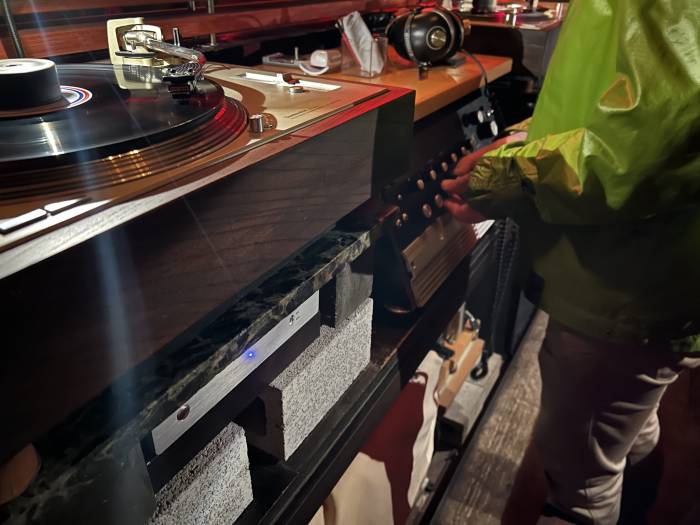
A high-quality vinyl playback system demands meticulous attention to the components that translate the physical grooves into audible sound. The preamplifier and amplifier, often overlooked, play a critical role in shaping the sonic experience. Choosing the right combination can dramatically enhance the warmth and detail of the music, while a poor match can result in a muffled or distorted sound.The preamplifier and amplifier act as the vital middlemen in the chain, transforming the low-level electrical signals from the turntable cartridge into a powerful signal suitable for driving speakers.
Their individual characteristics significantly impact the overall sonic output, creating a crucial link between the physical record and the listener’s experience.
Preamplifier Function
The preamplifier’s function is to boost the weak electrical signal generated by the turntable cartridge. This signal is extremely low in voltage, necessitating amplification before it can drive the amplifier. A high-quality preamplifier is designed to do this with minimal distortion, ensuring a faithful reproduction of the original sound.
Preamplifier Types
Different preamplifier designs cater to various preferences and budget constraints.
- Moving Magnet (MM) Preamplifiers: MM cartridges are more common and generally require an MM preamp to convert their output to a usable signal. MM preamplifiers are often characterized by a smoother, warmer sound, with greater tonal richness and a more dynamic response. These are widely used for their balance and natural sound, particularly with vintage or well-regarded MM cartridges.
- Moving Coil (MC) Preamplifiers: MC cartridges produce a lower output signal than MM cartridges. Consequently, they require a dedicated MC preamplifier with higher gain to effectively amplify the signal. MC preamplifiers are typically more sensitive, providing a cleaner and more detailed sound, excelling in reproducing subtle nuances and instrumental textures. The heightened sensitivity of these preamplifiers can also amplify any noise in the system, highlighting the importance of a quiet environment.
- Integrated Preamplifiers: These are often found in integrated amplifiers, combining preamplification and amplification functions in a single unit. Integrated units are cost-effective and convenient, but their performance may not match the quality of dedicated preamplifiers, especially when dealing with demanding setups or sophisticated components.
Amplifier Purpose
The amplifier takes the amplified signal from the preamplifier and boosts it further to drive the speakers. This process significantly increases the voltage and current, enabling the speakers to reproduce the music at a suitable volume.
Amplifier Types
Amplifiers come in various forms, each with its own strengths.
- Integrated Amplifiers: Combining preamplification and amplification functions in a single unit, integrated amplifiers are convenient and often affordable, offering a comprehensive solution in a single chassis. These are excellent choices for users seeking a simple and efficient system, often with a wider range of connectivity options.
- Separate Preamp and Power Amplifier: This setup offers greater flexibility and allows for upgrading components individually. A dedicated preamplifier allows for a more nuanced control over the sound, while a high-power amplifier ensures optimal performance with demanding speakers.
- Tube Amplifiers: Tube amplifiers are known for their warm, harmonic sound signature, often described as having a “smooth” and “natural” character. This approach can offer a distinctive tonal coloration that some listeners prefer, though they often require more maintenance than solid-state counterparts. The warmth of tube amplifiers can add depth to the music, making vocals and instruments sound more natural.
- Solid-State Amplifiers: These amplifiers are known for their efficiency, reliability, and clean sound reproduction. They are often preferred for their consistency and lack of sonic coloration. Their consistent performance and low noise levels make them ideal for users prioritizing accurate sound reproduction.
Cartridge and Tonearm Matching
The synergy between a turntable’s cartridge and tonearm is crucial for extracting the finest details from vinyl records. A mismatched pair can result in distorted sound, impaired tracking, and premature wear on both components. Proper matching ensures accurate signal transduction and a faithful reproduction of the original recording.Careful selection and precise adjustment are essential for achieving optimal performance.
The cartridge’s design, stylus shape, and output impedance must harmonize with the tonearm’s mass, cantilever stiffness, and tracking force to prevent issues like skipping, distortion, and stylus damage.
Cartridge Types and Compatibility
Different cartridge types cater to varying audio preferences. Moving Magnet (MM) cartridges are generally more versatile and affordable, while Moving Coil (MC) cartridges often offer superior high-frequency response and dynamic range, but require a dedicated preamplifier. The cartridge’s compliance, or the amount of deflection it experiences under pressure, significantly impacts its interaction with the tonearm. A high-compliance cartridge is more forgiving of irregularities in the vinyl surface, while a low-compliance cartridge requires a more rigid tonearm for optimal performance.
Tonearm Considerations
The tonearm’s mass, cantilever length, and effective mass are critical factors in cartridge compatibility. A tonearm with a lower effective mass will better handle cartridges with lower compliance, while a higher effective mass tonearm can accommodate cartridges with higher compliance. This dynamic balance ensures the cartridge’s stylus can track the grooves smoothly without excessive vibration. The overall tonearm design, including its counterweight, also influences the tracking force and anti-skate adjustments.
Cartridge and Tonearm Pairings
Specific pairings offer tailored sound characteristics. For instance, a high-output MM cartridge with a robust tonearm might be suitable for listeners prioritizing a warm, full sound, while a low-output MC cartridge with a lighter tonearm might be preferred for those seeking a detailed, analytical listening experience. Consideration should also be given to the turntable’s design, as some designs may work better with specific cartridge types.
Tracking Force Adjustment
Proper tracking force is critical for preventing skipping and maintaining stylus contact with the grooves. Excessive force damages the stylus and record grooves, while insufficient force can lead to skipping and a loss of sound quality. The recommended tracking force is typically specified by the cartridge manufacturer.
Anti-Skate Adjustment
Anti-skate counteracts the lateral force on the stylus as it tracks the groove. Incorrect anti-skate settings can lead to uneven wear and stylus damage. Adjusting the anti-skate is vital for maintaining consistent sound quality across the entire record. Proper anti-skate settings are generally recommended by the cartridge manufacturer.
Audio Cables and Connections
The choice of audio cables significantly impacts the sonic fidelity of a vinyl playback system. High-quality cables, meticulously chosen and correctly connected, can unlock the full potential of the components, delivering a richer, more detailed, and dynamic listening experience. Conversely, poor-quality or improperly connected cables can degrade the sound, introducing unwanted noise and coloration. This section delves into the critical role of audio cables, offering insights into various types, termination methods, and troubleshooting strategies.
Importance of High-Quality Audio Cables
Audio cables act as the conduits for the electrical signals carrying the music from the source to the amplifier. These signals, representing the subtle nuances of the recorded sound, are susceptible to interference and degradation. Employing high-quality cables minimizes these issues, allowing the signal to remain faithful to the original recording. This fidelity translates to a clearer, more accurate, and dynamic listening experience, enabling the listener to hear the full range of sonic information present in the vinyl record.
Comparison of Audio Cable Types
Various cable types offer varying degrees of performance. Solid copper conductors are generally more reliable than stranded copper in preventing signal degradation. Shielded cables, with their conductive outer layers, offer better protection against electromagnetic interference (EMI) and radio frequency interference (RFI). The choice of cable material and shielding affects the sound quality. For example, a cable with a thicker, more robust copper core can deliver a more substantial and impactful sound compared to a cable with a thinner core.
Similarly, a shielded cable can produce a cleaner and more focused sound by minimizing unwanted noise. Consider the specific requirements of the system when selecting cable types, keeping in mind the intended sound signature and the environment in which the equipment will be used.
Proper Termination and Connection Methods
Correct termination is paramount for optimal signal transfer. Ensure that the cable ends are properly crimped or soldered to the connectors, preventing signal loss or distortion. The use of high-quality connectors, such as those with gold-plated contacts, can further minimize signal degradation. Avoid using damaged or loose connectors, as they can introduce noise and compromise sound quality.
Ensure a secure and tight connection to prevent any intermittent signal transmission or audio dropouts. Properly matched connectors are crucial to maintain the integrity of the signal, ensuring optimal signal transfer.
Troubleshooting Common Cable Connection Issues
Troubleshooting cable issues involves methodical investigation. Check for any visible damage to the cable, such as frayed wires or broken insulation. Verify the correct connection between each component and the corresponding cable, ensuring that the connectors are firmly in place. Examine the termination points to ensure that they are properly crimped or soldered. A multimeter can be used to verify the continuity of the cable, ensuring that the signal path is intact.
Loose or damaged connections can cause a range of issues, including crackling, pops, or static in the audio output. By systematically addressing these potential sources of interference, listeners can effectively diagnose and rectify connection problems. This will contribute to achieving a high-quality audio reproduction from their vinyl playback system.
Troubleshooting Common Issues
Japanese vinyl players, meticulously crafted for sonic fidelity, can sometimes present troubleshooting challenges. Understanding these potential pitfalls and their solutions is crucial for maintaining a pristine audio experience. This section delves into common issues, guiding you through effective diagnostics and remedies.Troubleshooting a vinyl playback system requires a methodical approach. Identifying the source of the problem—whether it’s a faulty component or an improperly configured connection—is paramount to achieving a successful resolution.
Each section details the steps involved in isolating and rectifying specific issues.
Turntable Issues
Proper turntable operation is critical for optimal sound quality. Issues can stem from mechanical malfunctions or improper setup.
- Sticking or Irregular Rotation: A turntable’s motor might falter, leading to skipping or inconsistent speeds. Inspect the motor’s belts for damage or slippage. Ensure the power supply is stable and the motor is receiving adequate voltage. Lubrication of moving parts may be required, but this should be performed by a qualified technician.
- Rumble or Vibration: Unwanted vibrations can manifest as low-frequency noise or a “thumping” sound. Ensure the turntable is firmly planted on a stable surface and free from external vibrations. A poorly-dampened turntable plinth can also contribute to this problem. Test by placing the turntable on different surfaces, like a thick, vibration-dampening mat.
- Skipping or Irregular Playback: Uneven record surfaces or a misaligned stylus can cause skipping during playback. Clean the record with a suitable cleaning solution and ensure the stylus is properly aligned with the record grooves. Check for any foreign objects that might be interfering with the turntable’s mechanics.
Tonearm and Cartridge Issues
The tonearm and cartridge are crucial for accurate signal transduction. Problems here often affect the sound’s fidelity and dynamics.
- Cartridge Misalignment: Incorrect cartridge alignment results in distorted sound and uneven tracking. Consult the turntable’s and cartridge’s manuals for specific alignment procedures, usually involving a protractor or gauge. A misaligned cartridge can cause damage to the record’s grooves, leading to premature wear and potential sound degradation.
- Tonearm Wobble or Instability: A wobbly tonearm can cause erratic tracking and lead to a noisy sound. Inspect the tonearm for any loose components or misalignments. Ensure the counterweight is properly balanced and the tonearm’s pivot points are smooth and free of debris.
- Cartridge Wear or Damage: A worn or damaged stylus will significantly affect the sound quality. Replacing the stylus with an appropriate model is essential for optimal performance. If the entire cartridge is damaged, replacement may be necessary.
Audio Cable and Connection Issues
Proper connections are vital for transmitting audio signals without distortion.
- Signal Loss or Distortion: Weak or damaged audio cables can cause signal loss or distortion, impacting the overall sound quality. Inspect the cables for any breaks, kinks, or exposed wires. Use high-quality, shielded cables to minimize interference.
- Incorrect Connections: Improper connections between components can lead to poor audio quality or no sound at all. Ensure all connections are secure and properly aligned according to the manufacturer’s instructions. Check for any loose or mismatched plugs.
- Ground Loops: Ground loops can cause hum or buzzing in the audio. Verify the grounding connections for all components are correctly established. Using a ground loop isolator can often resolve this issue.
Alignment Troubleshooting
Accurate alignment of the cartridge and tonearm is crucial for maintaining the turntable’s sonic fidelity.
- Visual Alignment: Visually inspect the tonearm’s position relative to the cartridge. Ensure the cartridge is properly centered on the tonearm, as per the turntable’s manual. Using a protractor, you can check the cartridge’s angle against the record grooves.
- Audible Alignment: Listen carefully for any clicks, pops, or distortion during playback. These can often indicate misalignment issues. Adjusting the cartridge’s vertical tracking force can often resolve issues.
- Professional Alignment: If alignment issues persist, consider seeking professional help. Experienced technicians can diagnose and correct any intricate alignment problems, ensuring optimal performance.
Japanese Aesthetics and Design
Japanese audio equipment, particularly vinyl players, often exhibit a unique aesthetic sensibility. This meticulous attention to detail extends beyond functionality, reflecting a cultural appreciation for craftsmanship, minimalism, and the inherent beauty of materials. The design philosophy prioritizes harmony between form and function, creating systems that are not just effective but also pleasing to the eye.Japanese manufacturers frequently employ a minimalist approach, emphasizing clean lines, muted color palettes, and high-quality materials.
This aesthetic is often rooted in traditional Japanese design principles, emphasizing simplicity and understated elegance. This philosophy translates directly into the construction and presentation of vinyl players.
Materials and Design Features
Japanese manufacturers frequently utilize high-quality materials, including meticulously crafted wood veneers, brushed aluminum, and sophisticated polymers. These materials contribute to the equipment’s refined appearance and tactile qualities. The focus on precision machining and assembly is evident in the tight tolerances and smooth operation of these systems.
Vintage Japanese Designs
Vintage Japanese vinyl players, often from the 1970s and 1980s, often showcased a distinctive blend of modernism and traditional aesthetics. Many turntables featured a sleek, almost sculptural design with a focus on refined curves and minimal ornamentation. The color palettes were typically muted tones like dark brown, charcoal gray, or metallic silver. These systems often embodied a sense of understated luxury.
Modern Japanese Designs
Contemporary Japanese vinyl players frequently incorporate sleek, minimalist designs. Modern iterations often feature a refined, almost technological aesthetic, incorporating brushed aluminum or high-gloss black finishes. A significant emphasis is placed on the integration of digital and analog components. These designs frequently prioritize simplicity and functionality, showcasing a sophisticated harmony between the latest technology and traditional audio values.
Some modern models might even employ subtle lighting or integrated displays to highlight the system’s precision.
Cultural Influences
The design and construction of Japanese vinyl players are deeply rooted in Japanese cultural values. The emphasis on meticulous craftsmanship, refined materials, and a harmonious balance between form and function reflects the Japanese aesthetic tradition of “侘び寂び” (wabi-sabi), which embraces the beauty of imperfection and the transience of beauty. This philosophy, which is deeply ingrained in Japanese culture, influences the entire process, from the selection of materials to the final assembly of the system.
It’s a design ethos that values both the process and the end product. The concept of “omotenashi,” or the art of hospitality, also plays a significant role, emphasizing the meticulous attention to detail in the design and functionality of these systems, making them not only highly functional but also aesthetically pleasing.
Accessories and Enhancements
Beyond the core components, a wealth of accessories can elevate the Japanese vinyl player setup’s performance and aesthetic appeal. These enhancements, ranging from dust covers to anti-vibration mats, contribute to a richer listening experience by mitigating environmental factors and optimizing sound quality. Careful selection and integration of these accessories are crucial for maximizing the potential of the entire system.The meticulous attention to detail inherent in Japanese audiophile culture extends to accessories, reflecting a commitment to minimizing sonic imperfections and maximizing the fidelity of the music.
This dedication to high-quality components and careful design choices ensures a superior listening experience.
Dust Covers
Protecting the turntable and cartridge from dust and debris is paramount. Different dust covers cater to various needs and aesthetic preferences. A simple, cloth-based cover provides basic protection, while more sophisticated models, often incorporating felt or other materials, offer enhanced dust-blocking properties. Some covers feature specialized designs to match the aesthetics of the turntable, complementing the overall aesthetic of the setup.
The selection depends on the level of protection required and the desired visual integration with the turntable.
Anti-Vibration Mats
Unwanted vibrations can significantly degrade sound quality. Anti-vibration mats, placed between the turntable and the surface it rests on, effectively dampen these vibrations. This isolation minimizes the transmission of external noise and ground vibrations to the turntable, resulting in a cleaner, more precise sound. The importance of a high-quality anti-vibration mat cannot be overstated, as it contributes to a noticeably improved listening experience.
For example, a robust, dense mat, like one made of dense rubber or specialized composite materials, will offer superior vibration control compared to a simple felt pad.
Other Accessories
A range of other accessories further enhances the listening experience. These include:
- Spikes: Adding spikes to the turntable feet allows for better isolation from the supporting surface. They can significantly improve stability and minimize resonance, leading to a more detailed and controlled sound. Spikes are typically made of materials like brass or high-quality metal alloys to effectively transfer the weight of the turntable without unnecessary vibrations.
- Audio Interconnects: High-quality audio interconnects can contribute to a more transparent and dynamic sound by minimizing signal degradation. Materials like copper-based alloys or silver-plated cables are commonly used to maximize signal integrity.
- Record Cleaning Kits: Maintaining the cleanliness of vinyl records is crucial for optimal sound quality. Record cleaning kits, including brushes and cleaning solutions, can help remove dust and debris from the grooves, restoring clarity and detail.
- Record Storage Solutions: Proper storage is vital for preserving the condition of vinyl records. Record storage solutions, like dedicated record cabinets or sleeves, help protect them from dust, moisture, and damage.
Careful selection and implementation of these accessories can significantly improve the performance and overall listening experience of the Japanese vinyl player setup. The meticulous attention to detail, often characteristic of Japanese audiophile culture, allows for a more immersive and nuanced appreciation of the music.
Final Wrap-Up
In conclusion, a Japanese vinyl player setup offers a premium audio experience. Careful consideration of components, from turntable to amplifier, is essential for achieving optimal performance. This guide provides a framework for understanding and implementing a Japanese vinyl setup, from meticulous component selection to the subtleties of cable connections. Mastering these aspects unlocks the full potential of the music.
